The journey toward a healthier diet doesn’t need to involve restrictive dieting, counting every calorie, or fearing food. Healthy eating is fundamentally about fueling your body with the nutrients it needs to thrive while still enjoying the foods you love. It’s about making gradual, sustainable changes.
Here is a definitive look at what healthy eating truly means and how you can seamlessly integrate it into your real life.
Why Nutrition Matters for Your Health
Food provides the calories and nutrients essential for every bodily function. A deficiency in either calories or key nutrients can compromise your health, leading to issues like nutrient deficiency or weight gain.
The Quality of Your Diet:
- Disease Risk: Diets heavily reliant on ultra-processed foods are linked to increased risks of chronic conditions like type 2 diabetes, heart disease, certain cancers, and increased mortality.
- Longevity and Wellness: Conversely, diets rich in whole, nutrient-dense foods—such as the Mediterranean diet—are associated with greater longevity and stronger disease protection.
- Mental Health: A diet low in whole foods (vegetables, nuts, fish) and high in processed items may negatively impact mental well-being and increase the risk of depressive symptoms.
Do You Need a Formal Diet? (The “Should You Diet?” Question)
The short answer is no. You do not need to adopt a specific, branded diet to achieve optimal health.
“Healthy eating” is simply the practice of supplying your body with mostly nutritious foods. The specifics are highly personal, varying based on culture, location, budget, and individual taste preferences.
The Foundational Principles of Healthy Eating
1. Prioritize Nutrient Density
While calories are relevant, focus primarily on nutrients—protein, carbohydrates, fats, vitamins, and minerals.
Nutrient Density refers to the ratio of nutrients a food contains relative to its caloric value.
- High-Density Foods: These foods pack a powerful nutritional punch. Examples include eggs, Greek yogurt, fatty fish, nuts, seeds, fruits, vegetables, and beans.
- Low-Calorie vs. Nutrient-Dense: Not all low-calorie foods are nutrient-dense (e.g., plain lettuce vs. nutrient-rich avocado). Choose foods that maximize vitamins, minerals, healthy fats, protein, and fiber, regardless of their total calorie count.
2. Cultivate Dietary Diversity
Eating a wide variety of different foods is critical because it:
- Supports a healthy and diverse gut microbiome.
- Promotes a healthier body weight and may contribute to longevity.
- Offers broad protection against chronic disease.
If you are a picky eater, introduce new foods one at a time. Research shows that repeated exposure increases your chances of accepting and enjoying a new flavor.
3. Balance Your Macronutrients
Macronutrients are the main components of food: carbs, fat, and protein. For most people, counting specific macros isn’t necessary, but achieving a healthy balance in meals and snacks is important.
- The Power Trio: Combining protein and healthy fat with fiber-rich carbohydrate sources creates dishes that are more satisfying and filling.
- Example: Instead of just fruit (fiber-rich carb), add a serving of nut butter (fat and protein) to maintain fullness for longer.
4. Minimize Highly Processed Foods
While you don’t need to eliminate all processed food (canned beans, frozen vegetables, and shelled nuts are processed and healthy), cutting back on ultra-processed foods is key.
These products (like soda, sugary cereals, mass-produced sweets, and certain boxed snacks) contain few, if any, whole food ingredients and are often high in added sugar, unhealthy fats, and sodium.
Practical Tips for Sustainable Healthy Eating
The first step to improving your diet is making food a priority, which doesn’t mean elaborate cooking—it means being prepared.
A. Stock Your Kitchen
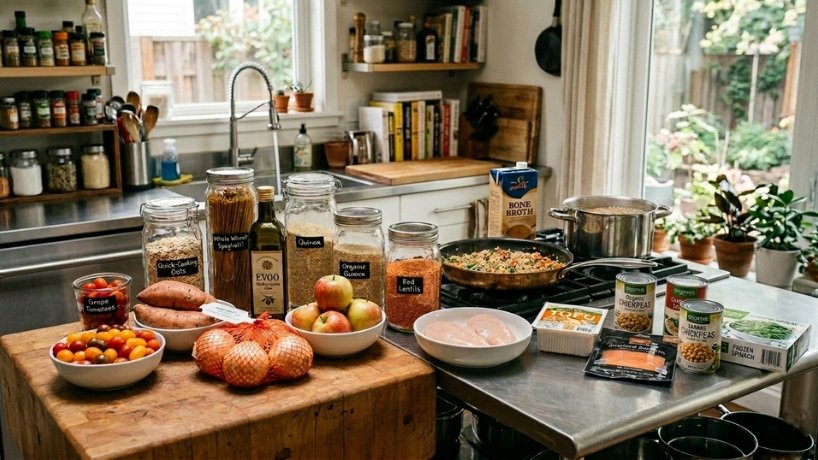
Regular grocery trips are crucial for maintaining healthy options. Stock up on these essentials:
- Produce: Fresh and frozen fruits and vegetables.
- Protein: Eggs, chicken, fish, tofu, canned beans.
- Carbs: Whole grains, oats, starchy vegetables (potatoes, squash).
- Fats: Avocados, olive oil, nuts, seeds, full-fat yogurt.
- Snack Components: Hummus, nut butter, olives, dried fruit.
B. The “Rule of Threes” for Meal Construction
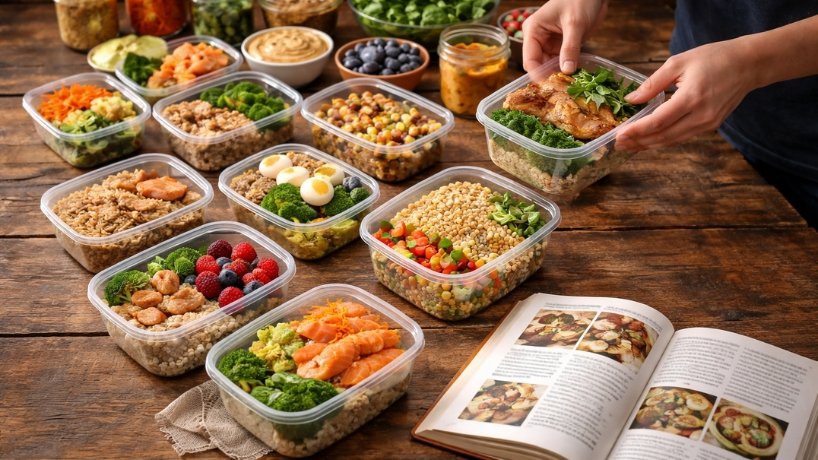
If you’re unsure what to cook, build your meal around these three components:
- Protein: Eggs, fish, chicken, tofu, beans.
- Fat: Nuts, seeds, avocado, cheese, olive oil, Greek yogurt.
- Fiber-Rich Carbs: Oats, sweet potatoes, beans, nonstarchy vegetables (broccoli, asparagus), berries.
C. Focus on Progress, Not Perfection
- Start Small: If you rarely cook, begin by preparing just one veggie-packed homemade meal per week. Once that becomes a habit, add more.
- Cook at Home: Even preparing one or two meals a week instead of getting takeout improves diet quality and diversity.
- Ditch “Cheat Days”: If you rely on “cheat days,” it signifies your regular diet is too restrictive. Recognize that all foods fit into a healthy diet when eaten mindfully and in moderation.
- Smart Hydration: Water is best. If plain water is difficult, add slices of fruit or a squeeze of lemon/lime for natural flavor.
- Honor Your Preferences: Never force yourself to eat a food simply because it is considered “healthy.” There are countless alternatives available.
To receive personalized guidance that aligns with your specific needs and schedule, consulting a registered dietitian is the best course of action.