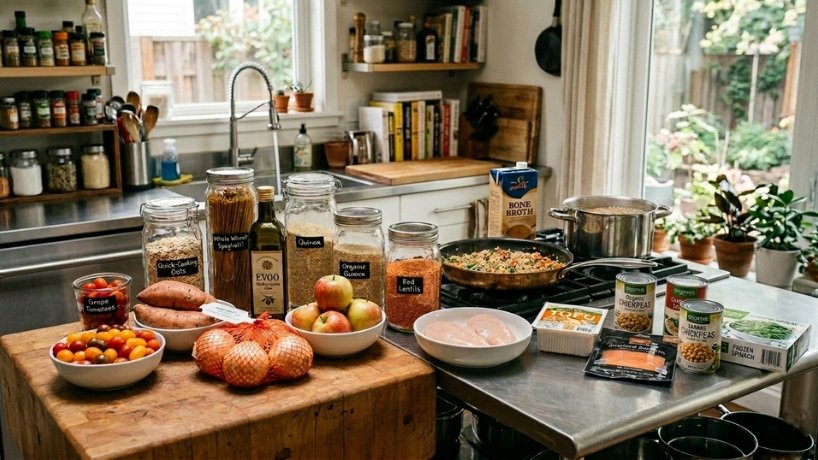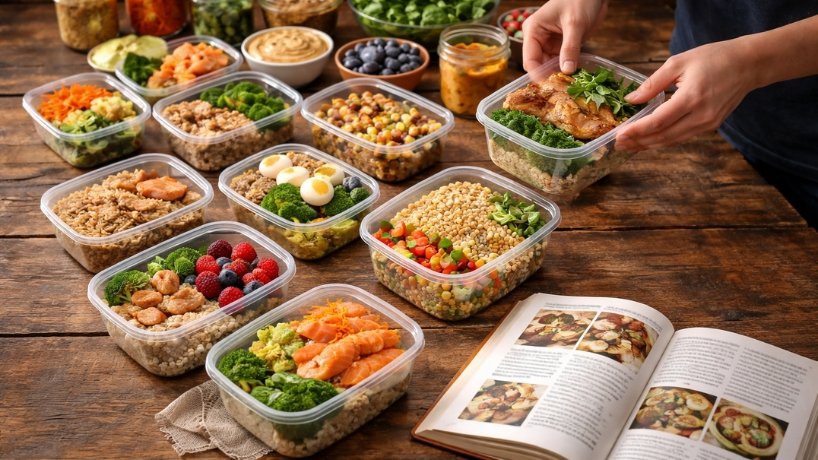
The term “clean eating” has gained significant popularity, but it often carries negative connotations and can lead to unnecessary food shaming. Instead of focusing on trending labels, a more empowering approach is to make small, practical shifts towards incorporating more whole, minimally processed foods into your diet.
This doesn’t demand an overnight kitchen overhaul. It’s about gradually enriching your plate with fruits, vegetables, and nutrient-dense options. Here are 11 straightforward strategies to help you embrace a truly nourishing way of eating.
What “Whole Food” Eating Really Means
At its core, whole food eating involves selecting foods that are as close to their natural state as possible, offering maximum nutritional benefits with minimal intervention. It’s about choosing quality ingredients that fuel your body efficiently.
While environmental consciousness in food production can be a part of this philosophy, the primary focus should be on what is practical, sustainable, and truly nourishing for you. Start small, take one step at a time, and avoid overwhelming changes.
11 Simple Ways to Shift Towards Whole Foods
1. Prioritize More Fruits and Vegetables
These vibrant foods are packed with fiber, vitamins, minerals, and plant compounds that combat inflammation and protect cells. Abundant research links high fruit and vegetable intake to a reduced risk of chronic diseases.
Easy Integration Tips:
- Color Up Salads: Aim for at least three different vegetables in addition to your greens.
- Fruit-ify Breakfast: Top oatmeal, cereal, or yogurt with berries, bananas, or plums.
- Ready-to-Eat Veggies: Prep and store chopped vegetables with olive oil and herbs for quick access.
- Sneak into Dishes: Add spinach, kale, or squash to soups and stews.
- Utilize Frozen/Canned: These are often more affordable and just as nutritious.
2. Consciously Limit Ultra-Processed Foods
These industrially formulated products (like chips, packaged cookies, and most fast food) are often high in added sugars, artificial colors, stabilizers, and unhealthy fats. They typically lack fiber and essential nutrients.
- Label Literacy: Look for packaged items with the shortest ingredient lists and avoid unfamiliar terms. Be wary of the term “natural,” as it doesn’t guarantee a truly unprocessed or pesticide-free product.
3. Become a Savvy Label Reader
Even with packaged items like nuts, meats, or vegetables, reviewing labels is crucial. Scan for preservatives, added sugars, or unhealthy fats.
- Nuts: Opt for raw or dry-roasted (at low temperatures) and unsalted varieties.
- Pre-made Salads: Be mindful of included dressings, which can be high in salt, sugar, and preservatives. Use sparingly or opt for your own homemade dressing.
4. Swap Refined Grains for Whole Grains
Refined grains are heavily processed, stripping away valuable fiber and nutrients. They are associated with inflammation and various metabolic issues.
- Choose Wisely: Opt for minimally processed grains like sprouted grain bread, steel-cut oats, and brown rice. Limit white bread and sugary, ready-to-eat cereals.
5. Select Healthy Fats and Oils
Highly processed vegetable oils (soybean, corn) and margarines often undergo chemical extraction and can have an imbalanced omega-6 to omega-3 ratio, potentially contributing to inflammation.
- Better Choices: Prioritize sources of healthy fats like avocados, walnuts, fatty fish (rich in omega-3s), and extra virgin olive oil, which offers anti-inflammatory benefits.
6. Significantly Reduce Added Sugars
Added sugars are ubiquitous, appearing in unexpected places like sauces and condiments. High intake is linked to obesity, diabetes, fatty liver, and other health concerns.
- Scrutinize Labels: Carefully check ingredient lists for various forms of added sugar. Focus on naturally sweet whole foods or alternative sweeteners if medically advised.
7. Moderate Alcohol Consumption
While some moderate alcohol intake (particularly wine) may offer heart benefits, frequent or excessive consumption promotes inflammation and contributes to liver disease, digestive issues, and obesity.
- Practice Moderation: Regardless of your diet approach, prioritize moderate alcohol intake.
8. Innovate with Vegetable Substitutions
Boost your nutrient intake by creatively replacing refined grains with vegetables in recipes.
- Pasta Alternatives: Use spiralized zucchini or spaghetti squash for “noodles.”
- Rice & Potato Swaps: Finely chop cauliflower to mimic rice or mash it as a potato substitute.
9. Opt for Nutrient-Dense Snacks
Packaged snack foods (crackers, granola bars, muffins) are often ultra-processed, high in refined grains, sugar, and unhealthy oils, offering little nutritional value.
- Plan Ahead: Keep whole food snacks readily available, such as nuts, seeds, fresh fruits, and vegetables, which provide sustained energy and essential nutrients.
10. Make Water Your Primary Beverage
Water is the most natural and healthy beverage, free from additives, sugars, or artificial sweeteners. It supports hydration and weight management.
- Flavor Boost: If plain water is unappealing, naturally infuse it with fruit slices or a squeeze of lemon/lime.
- Limit Sugary Drinks: Avoid sodas, sweet teas, and flavored juices linked to chronic health issues. Unsweetened coffee and tea are good secondary choices.
11. Choose Ethically Raised Animal Products (When Possible)
Consider the source of your animal products. Factory farming practices often involve antibiotics and hormones, and grain-fed diets for cattle can alter their nutritional profile.
- Seek Quality: Opt for locally sourced, grass-fed, pasture-raised meats, eggs, and dairy when your budget allows. These often have better nutritional profiles (e.g., higher omega-3s in grass-fed beef) and align with environmental sustainability.
The Bottom Line
Moving away from the restrictive idea of “clean eating” towards a focus on whole, minimally processed foods is a more positive and effective approach. This way of eating not only enhances your health but also allows you to truly appreciate the natural, delicious flavors of diverse foods.