Anxiety disorders are one of the most widespread mental health challenges globally, affecting a large percentage of the adult population. If you experience mild anxiety or are seeking complementary support for traditional therapies (like medication or counseling), alternative treatments focus on boosting overall health and relieving symptoms with minimal side effects.
Important Note: Alternative approaches may take time to show results. They are generally most effective when used alongside conventional medical treatment. Always consult a healthcare professional before integrating any new alternative therapy into your routine.
Here are seven strategies that may help mitigate anxiety symptoms:
1. Monitor Your Caffeine Intake
While caffeine provides a morning boost, excessive consumption can induce nervousness and reduce your capacity to manage anxiety. Research suggests that consuming as little as 200 milligrams (the equivalent of about two average cups of coffee) can trigger anxiety symptoms in some individuals, particularly those already managing an anxiety disorder.
2. Eliminate Alcohol and Nicotine
Although alcohol and nicotine may appear to offer momentary relief from anxiety, this effect is deceptive and short-lived. In reality, both substances can intensify and increase the frequency of anxiety symptoms over time. Studies indicate a clear association between the use of these substances and a higher incidence of mental distress and other mental health conditions, especially among young people.
3. Commit to a Balanced Diet
The emerging field of nutritional psychiatry explores the profound link between diet, stress, and mental well-being. Following established nutritional guidelines may help prevent and manage conditions like anxiety.
- Prioritize Wholesome Foods: Focus your meals on adequate amounts of fruits, vegetables, lean proteins, and healthy fats.
- Minimize Processed Foods: These often lack essential nutrients and may contain ingredients detrimental to mental health.
- Limit High-Sugar Items: A rapid spike in blood sugar can mimic or trigger the physical sensations of a panic attack.
- Maintain Regular Mealtimes: Eating consistently helps prevent low blood sugar, which can induce anxiety-like symptoms.
- Stay Hydrated: Consuming sufficient water (or other hydrating liquids) supports optimal bodily function and may help relieve feelings of stress.
4. Embrace Regular Physical Activity
Consistent exercise is highly effective for reducing stress. Cardiovascular exercise, in particular, has been shown to lower anxiety levels and support immune function. The relief can be surprisingly quick; even a 5-minute burst of aerobic activity can initiate anti-anxiety effects, and a 10-minute brisk walk may provide calming benefits lasting several hours.
5. Prioritize Restorative Sleep
Quality sleep is crucial for neurological balance. Research indicates that adequate rest helps to calm and ‘reset’ an over-stressed, anxious brain. Aim for 6 to 8 hours of high-quality sleep nightly.
To support your body’s natural sleep cycle:
- Maintain consistent wake-up and bedtime hours daily.
- Limit naps to a brief 15–20 minutes in the early afternoon.
- Maximize exposure to natural light during the day.
- Avoid bright screens for 1 to 2 hours before bed.
- Ensure your sleeping environment is dark and cool.
6. Integrate Relaxation Techniques
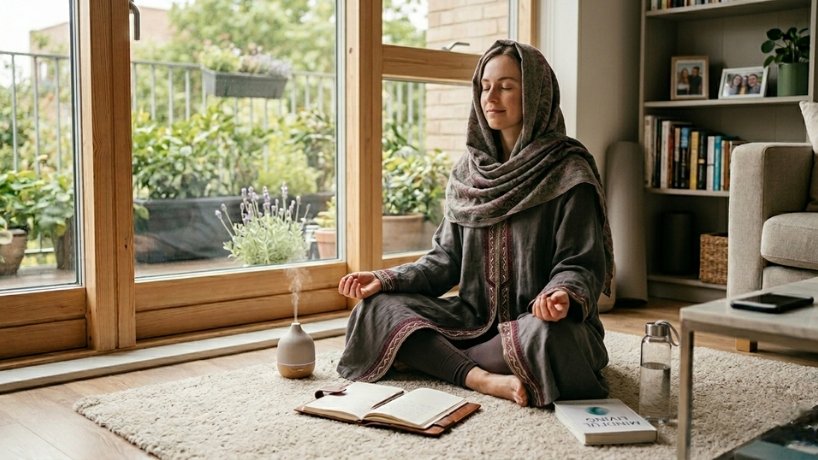
Proven methods that promote relaxation can be highly effective in reducing anxiety. Techniques often include meditation, controlled breathing, and yoga.
- Meditation: This practice doesn’t change external circumstances, but it significantly alters your emotional response to them. Studies suggest meditation can reduce anxiety, improve sleep, and may even cause beneficial physical changes in the brain and body.
- Controlled Breathing: Learning specific breathing methods can give you an active tool to regulate your body’s response, potentially preventing hyperventilation during stressful events.
- Yoga: This discipline combines controlled breathing, meditation, and physical postures (stretching). Regular practice is linked to relaxation and has been recommended as an alternative practice for managing anxiety and depression.
7. Consider Supplements (With Caution)
While some natural remedies show promise, the scientific evidence for many herbal supplements remains limited. They should always be considered an addition to, not a replacement for, primary medical care. Supplements are regulated as food, not drugs, so quality and labeling can vary.
Always check with your doctor before taking any supplement due to potential side effects or negative interactions with medications.
Supplements often studied for anxiety relief include:
- L-theanine: An amino acid found in green tea, shown to help improve stress-related symptoms.
- Chamomile: Long-term use of this herbal remedy has been shown to significantly reduce generalized anxiety symptoms.
- Omega-3 Fatty Acids: These are essential for the nervous system, and certain reviews suggest they may help reduce anxiety symptoms.
- Essential Oils: Aromatherapy using oils like lavender has demonstrated potential benefits for managing anxiety.
- CBD Products: While research is not yet extensive, some evidence suggests CBD may help relieve anxiety symptoms. Ensure you source products from reputable brands, as they are not FDA-regulated.