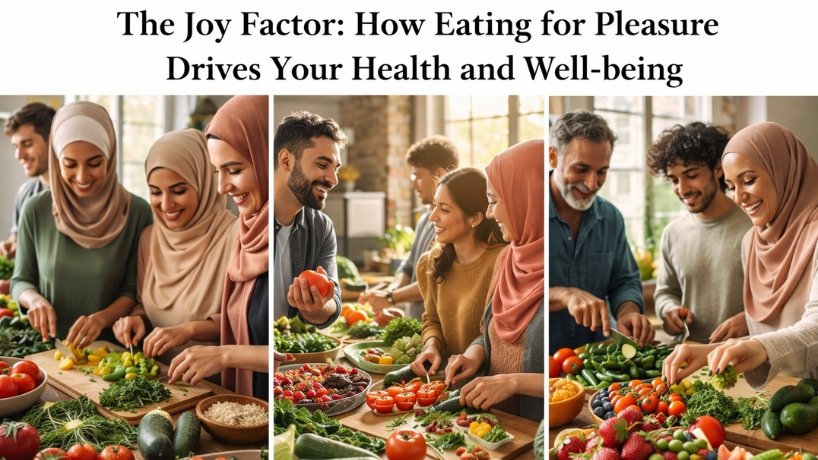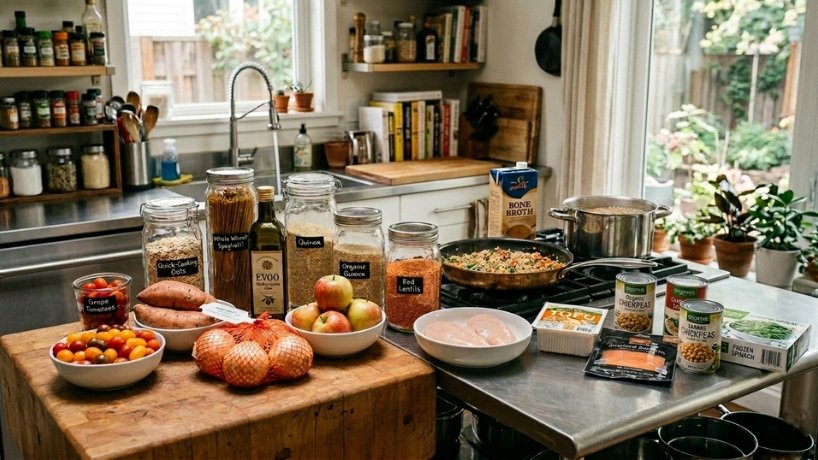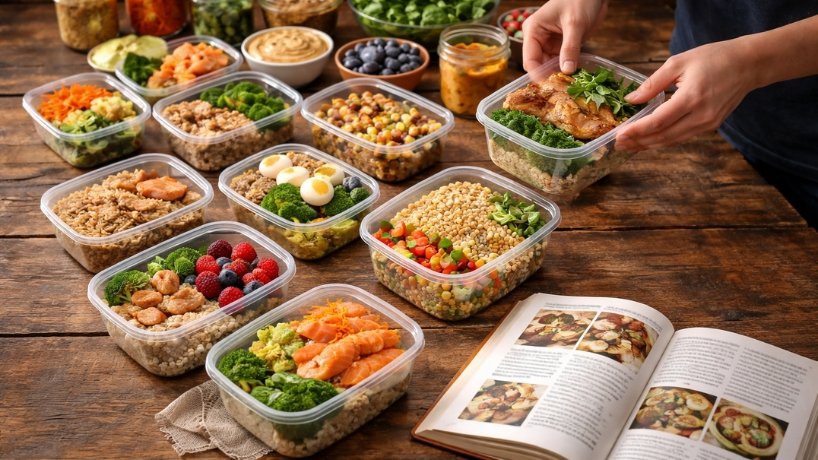
Iron is a vital mineral that helps your body function properly every day. It plays an important role in producing red blood cells, transporting oxygen, supporting brain performance, and maintaining healthy energy levels. While many people associate iron with meat, there are plenty of plant-based foods that can provide this essential nutrient.
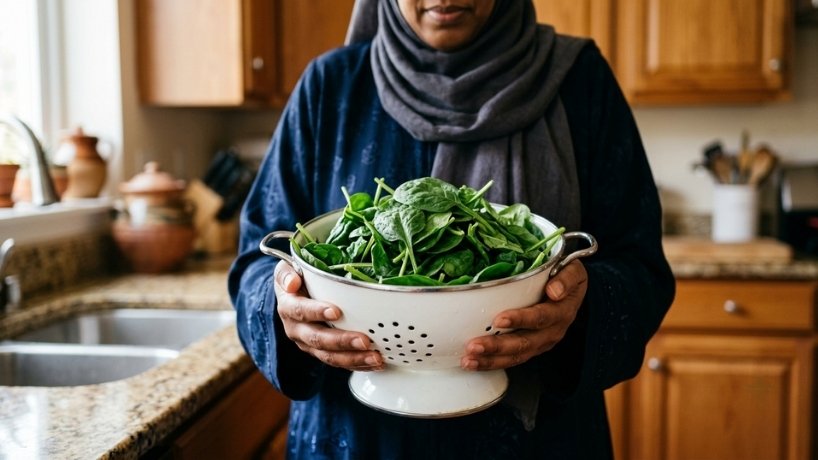
If you follow a vegetarian or vegan lifestyle, choosing a variety of iron-rich foods can help you meet your nutritional needs naturally. Pairing these foods with vitamin C sources also improves your body’s ability to absorb plant-based iron.
In this guide, you’ll discover some of the best vegetarian foods that are naturally high in iron and easy ways to include them in your daily meals.
Why Is Iron Important?
Iron contributes to many essential functions throughout the body.
Key Benefits of Iron
- Helps produce healthy red blood cells
- Carries oxygen to muscles and organs
- Supports physical energy
- Promotes healthy brain function
- Strengthens the immune system
- Helps reduce tiredness caused by low iron
Because plant foods contain non-heme iron, eating a wide variety of iron-rich foods is the best way to maintain healthy levels.
1. Beans, Lentils, and Soy Products
Legumes are among the richest vegetarian sources of iron. They are also packed with protein, fiber, and complex carbohydrates that support overall health.
Great Choices
- Lentils
- Chickpeas
- Kidney beans
- Black beans
- White beans
- Navy beans
- Black-eyed peas
- Soybeans
- Tofu
- Tempeh
Why Include Them?
- Naturally rich in iron
- Excellent source of plant protein
- High in dietary fiber
- Supports healthy digestion
- Helps maintain steady energy
Serving Idea: Add beans to soups, curries, tacos, salads, grain bowls, or homemade veggie patties.
2. Nuts and Seeds
Many seeds and nuts provide impressive amounts of iron while also supplying healthy fats and important minerals.
Best Options
- Pumpkin seeds
- Sesame seeds
- Flaxseeds
- Cashews
- Almonds
- Pine nuts
- Sunflower seeds
Health Benefits
- Heart-friendly fats
- Plant protein
- Dietary fiber
- Magnesium and zinc
- Powerful antioxidants
Easy Tip: Sprinkle seeds over oatmeal, yogurt, salads, smoothies, or roasted vegetables.
3. Leafy Greens and Other Iron-Rich Vegetables
Vegetables don’t just provide vitamins—they also contribute valuable amounts of iron.
Excellent Choices
- Spinach
- Swiss chard
- Kale
- Beet greens
- Broccoli
- Brussels sprouts
- Mushrooms
- Potatoes with skin
- Sun-dried tomatoes
- Tomato paste
Benefits
- Low in calories
- Rich in vitamins and minerals
- High in antioxidants
- Supports immune health
- Promotes overall wellness
Cooking leafy greens slightly can make them easier to eat in larger portions.
4. Fruits That Contribute Iron
Although fruit isn’t the highest source of iron, several varieties can still help boost your intake.
Iron-Friendly Fruits
- Mulberries
- Raisins
- Dried apricots
- Prunes
- Black olives
Why Eat Them?
- Natural antioxidants
- Healthy snack option
- Provide fiber
- Rich in vitamins
For better absorption, combine these fruits with vitamin C-rich foods like oranges or strawberries.
5. Whole Grains
Whole grains retain more nutrients than refined grains because they contain the entire grain kernel.
Healthy Grain Choices
- Oats
- Quinoa
- Amaranth
- Barley
- Brown rice
- Whole wheat
- Spelt
Benefits
- Long-lasting energy
- Good source of fiber
- Supports digestive health
- Provides minerals including iron
Fortified breakfast cereals can also contribute to daily iron intake.
6. Everyday Foods That Add Extra Iron
Some common kitchen staples contain more iron than many people realize.
Smart Choices
- Blackstrap molasses
- Dried thyme
- Dark chocolate (70% cocoa or higher)
Benefits
- Rich in antioxidants
- Easy to include in recipes
- Adds flavor while increasing nutrient intake
Enjoy these foods in moderation as part of a balanced eating pattern.
How to Increase Iron Absorption Naturally
Since plant-based iron is absorbed less efficiently than animal-based iron, a few simple habits can make a noticeable difference.
Helpful Tips
- Eat vitamin C-rich foods with every iron-rich meal.
- Include citrus fruits, tomatoes, kiwi, strawberries, or bell peppers.
- Prepare meals using cast-iron cookware whenever possible.
- Avoid drinking tea or coffee immediately after eating.
- Choose a variety of iron-containing foods throughout the week.
Sample Iron-Rich Vegetarian Meal Plan
Breakfast
Warm oatmeal topped with pumpkin seeds, almonds, and fresh berries.
Lunch
Lentil soup served with whole-grain bread and a spinach salad.
Afternoon Snack
Apple slices with almond butter and a handful of roasted cashews.
Dinner
Grilled tofu with steamed broccoli, mushrooms, quinoa, and roasted bell peppers.
Evening Treat
A small piece of dark chocolate.
Signs You May Not Be Getting Enough Iron
Low iron levels can develop slowly and may cause symptoms such as:
- Constant fatigue
- Low energy
- Pale skin
- Frequent headaches
- Difficulty concentrating
- Dizziness
- Shortness of breath during activity
- Cold hands and feet
If these symptoms persist, consult a healthcare provider for proper testing.
Frequently Asked Questions
Can vegetarians get enough iron?
Yes. A balanced vegetarian diet that includes legumes, soy products, leafy greens, whole grains, nuts, seeds, and fortified foods can supply adequate iron for most healthy adults.
Which plant foods contain the most iron?
Some of the richest vegetarian sources include lentils, tofu, soybeans, pumpkin seeds, sesame seeds, spinach, white beans, and fortified cereals.
Does vitamin C really improve iron absorption?
Absolutely. Vitamin C helps your body absorb non-heme iron much more efficiently. Adding citrus fruits, tomatoes, or bell peppers to meals is a simple way to increase absorption.
Should I take an iron supplement?
Iron supplements should only be used if recommended by a healthcare professional after confirming an iron deficiency through appropriate testing.
Final Thoughts
Maintaining healthy iron levels doesn’t require eating meat. A well-planned vegetarian diet can provide all the iron your body needs through a wide variety of wholesome foods. Beans, lentils, tofu, leafy vegetables, seeds, nuts, whole grains, and dried fruits all contribute valuable amounts of this essential mineral.
Rather than depending on a single food, build balanced meals using different iron-rich ingredients and pair them with vitamin C-rich produce to maximize absorption. With consistent healthy eating habits, you can naturally support healthy energy levels, strong immunity, and overall well-being.