
A peaceful night’s sleep is essential for both physical health and mental well-being. While a regular bedtime and a comfortable sleeping environment are important, your dinner and evening snacks can also influence how well you sleep.
Some foods provide nutrients that support the body’s natural sleep process by encouraging relaxation and helping regulate sleep-related hormones. Choosing the right foods in the evening may help you fall asleep more comfortably and wake up feeling refreshed.
Let’s explore nine nutritious foods and drinks that deserve a place in your nighttime routine.
1. Almonds
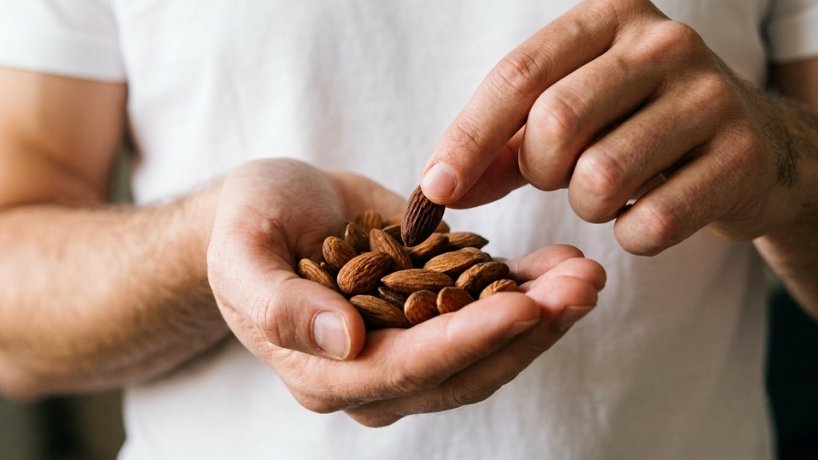
Almonds are a nutrient-dense snack packed with healthy fats, protein, fiber, vitamin E, and magnesium. Magnesium supports normal muscle and nerve function, while almonds also naturally contain melatonin, a hormone involved in regulating the body’s internal clock.
A small handful after dinner is often enough to satisfy hunger without feeling too heavy before bedtime.
Why They’re a Good Evening Snack
- Provide magnesium for relaxation
- Naturally contain melatonin
- Rich in heart-healthy fats
- Help reduce late-night cravings
2. Turkey
Turkey is well known as a lean source of protein. It also contains tryptophan, an amino acid used by the body to produce serotonin and melatonin.
A balanced evening meal that includes turkey may help support overnight recovery while promoting feelings of calmness.
Benefits
- High-quality protein
- Source of tryptophan
- Supports muscle maintenance
- Helps you stay full longer
3. Chamomile Tea
Chamomile tea has long been enjoyed as an evening beverage because of its naturally soothing qualities. Since it contains no caffeine, it’s a simple replacement for coffee or regular tea before bed.
A warm cup may help create a calming bedtime routine after a busy day.
Why People Enjoy It
- Caffeine-free
- Naturally relaxing
- Easy to prepare
- Pleasant floral flavor
4. Kiwi Fruit
Kiwi is packed with vitamin C, potassium, fiber, and protective antioxidants. It also contains naturally occurring compounds involved in healthy sleep regulation.
Because it’s light and refreshing, kiwi makes an excellent bedtime fruit.
Health Benefits
- Supports immune health
- High in antioxidants
- Promotes healthy digestion
- Naturally low in calories
5. Tart Cherry Juice
Unsweetened tart cherry juice is one of the few natural beverages that supplies melatonin. It also contains beneficial plant compounds that help protect cells from oxidative stress.
A small serving during the evening fits well into a healthy bedtime routine.
Benefits
- Natural source of melatonin
- Rich in antioxidants
- Refreshing bedtime drink
- Supports recovery after physical activity
6. Oily Fish
Fish such as salmon, trout, sardines, and mackerel deliver healthy omega-3 fats along with vitamin D, two nutrients important for overall wellness.
Including oily fish in your weekly meal plan supports heart health, brain function, and may contribute to better sleep quality.
Why It’s Healthy
- Excellent protein source
- Rich in omega-3 fatty acids
- Provides vitamin D
- Supports whole-body health
7. Walnuts
Walnuts are full of beneficial fats, fiber, minerals, and antioxidants. They also naturally contain melatonin, making them a smart choice for an evening snack.
Their satisfying texture can help curb hunger before bedtime.
Key Advantages
- Natural melatonin content
- Healthy plant fats
- Supports heart health
- Convenient snack option
8. Passionflower Tea
Passionflower tea is another herbal drink enjoyed by many people looking to relax before bed. Its calming properties make it a popular addition to an evening routine.
Since it’s naturally caffeine-free, it won’t interfere with sleep like traditional tea or coffee.
Benefits
- Encourages relaxation
- Gentle herbal flavor
- Caffeine-free
- Easy bedtime beverage
9. White Rice
White rice is light, soft, and easy to digest. When eaten in moderate amounts as part of dinner, it provides carbohydrates that work well alongside protein-rich foods.
Choosing sensible portions is the key to enjoying its benefits without overeating.
Benefits
- Easy on digestion
- Provides energy
- Complements lean protein
- Suitable for light dinners
Additional Foods That Fit a Bedtime Diet
Greek Yogurt
Greek yogurt contains protein and calcium while also supporting digestive health through beneficial bacteria.
Bananas
Bananas supply potassium, magnesium, and vitamin B6, nutrients that help muscles function normally and contribute to relaxation.
Oatmeal
A warm serving of oatmeal offers complex carbohydrates and fiber, creating a comforting evening meal that keeps hunger under control.
Evening Foods to Avoid
For better sleep, consider limiting these foods late in the day:
- Sugary desserts
- Fast food
- Spicy dishes
- Deep-fried meals
- Caffeinated beverages
- Energy drinks
- Alcohol before bed
These choices may increase alertness or cause digestive discomfort during the night.
Tips for Better Sleep Through Healthy Eating
Healthy eating habits can support a more restful night.
- Eat dinner at a consistent time.
- Avoid overeating late in the evening.
- Finish meals two to three hours before bedtime.
- Stay hydrated throughout the day.
- Choose balanced meals that include protein, healthy fats, and vegetables.
- Build a relaxing nighttime routine.
Frequently Asked Questions
What is the healthiest food to eat before sleeping?
Light foods that contain magnesium, protein, or melatonin—such as almonds, walnuts, kiwi, yogurt, or tart cherry juice—are excellent choices for an evening snack.
Is eating fruit at night healthy?
Yes. Fruits like kiwi and bananas are nutritious, easy to digest, and provide vitamins and minerals that support overall health.
Should I avoid eating before bed?
Large meals immediately before bedtime are generally not recommended. A light snack if you’re hungry is often a better option than going to bed overly full.
Final Thoughts
Good sleep is influenced by many daily habits, including the foods you choose in the evening. While bedtime nutrition isn’t a substitute for healthy sleep habits, selecting wholesome foods that provide protein, magnesium, healthy fats, vitamins, and natural sleep-supporting compounds may help you enjoy a more comfortable night’s rest.
Focus on balanced meals, avoid heavy late-night eating, and maintain a consistent bedtime routine. Small lifestyle changes often work together to produce meaningful improvements in sleep quality and overall health.