Wildfires can affect people living hundreds of miles away from the flames. Smoke carried by changing wind patterns may lower air quality across entire regions, exposing millions of people to polluted air even when no fire is visible nearby.
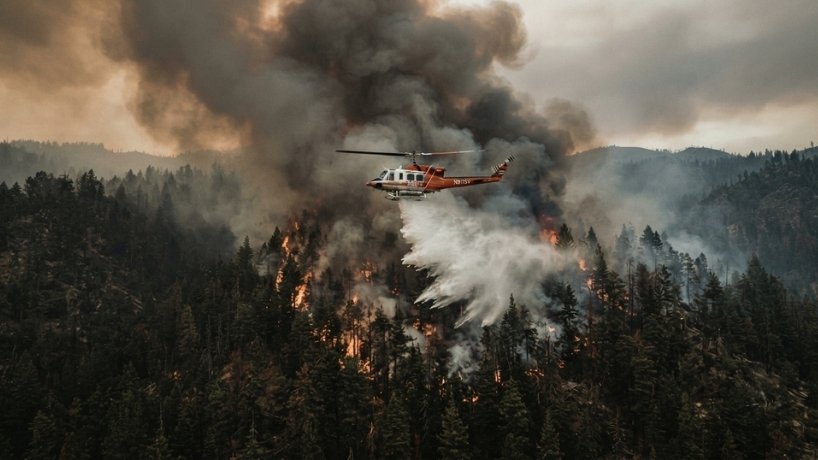
During these events, taking simple precautions can greatly reduce the amount of harmful pollution you breathe. Understanding how wildfire smoke affects your body and knowing how to respond allows you to make informed decisions that protect your health.
Why Smoke From Wildfires Deserves Attention
When forests, grasslands, or buildings burn, they release a complex mixture of microscopic particles and gases into the atmosphere.
Among the smallest pollutants are PM2.5 particles, which are tiny enough to travel deep into the lungs during normal breathing. Because of their small size, these particles can remain suspended in the air for long periods and spread across large distances.
The higher the concentration of smoke in the air, the greater the chance of developing breathing discomfort or other health problems.
Who May Be More Sensitive to Smoke?
Although anyone can experience irritation during smoky conditions, certain individuals may react more quickly.
Extra caution is recommended for:
- Infants and young children
- Older adults
- Pregnant individuals
- People with asthma
- Individuals living with chronic lung conditions
- People with heart disease
- Outdoor workers
- Anyone recovering from respiratory illness
These groups may experience symptoms even when pollution levels are only moderately elevated.
Possible Effects of Breathing Smoky Air
Smoke exposure affects people differently depending on overall health, age, and the amount of polluted air inhaled.
Possible symptoms include:
- Scratchy throat
- Persistent coughing
- Burning or watery eyes
- Stuffy or runny nose
- Shortness of breath
- Wheezing
- Chest tightness
- Fatigue
- Reduced exercise tolerance
If symptoms become severe or continue worsening, medical evaluation is important.
1. Check Air Conditions Before Leaving Home
Outdoor air quality can change rapidly during wildfire season.
Before planning outdoor activities, review your local air quality information through reliable weather or environmental monitoring services.
When pollution levels increase, consider adjusting your schedule until conditions improve.
Making decisions based on current air conditions helps reduce unnecessary exposure.
2. Stay Indoors Whenever Possible
One of the simplest protective measures is spending less time outside during heavy smoke events.
If remaining indoors:
- Keep exterior doors closed.
- Shut windows tightly.
- Limit unnecessary trips.
- Avoid opening windows simply for fresh air when outdoor pollution is high.
Reducing the amount of smoky air entering your home creates a safer indoor environment.
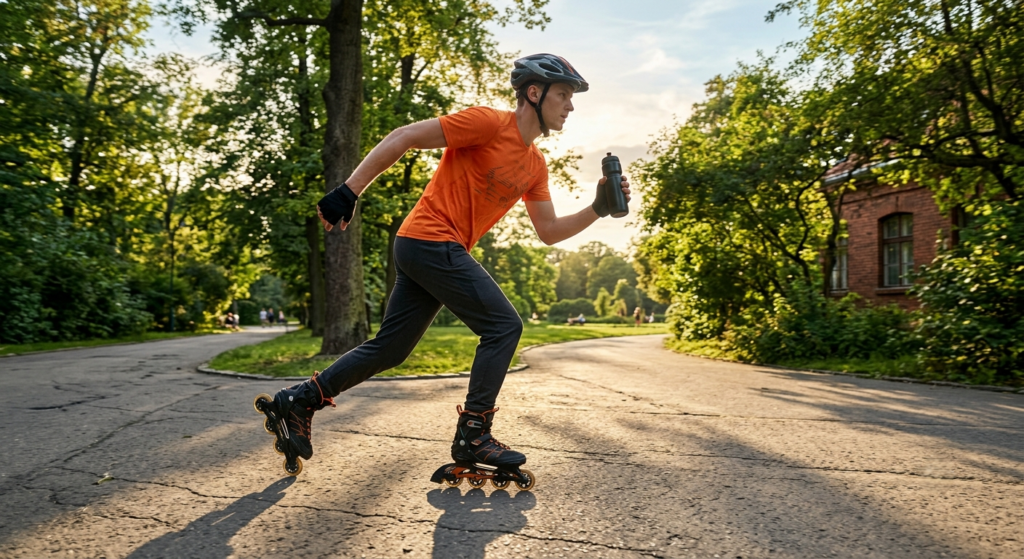
3. Postpone Outdoor Exercise
Physical activity causes faster and deeper breathing.
During periods of poor air quality, strenuous activities such as:
- Running
- Cycling
- Hiking
- Outdoor sports
- Heavy yard work
can increase the amount of smoke reaching your lungs.
If possible, choose gentle indoor activities until outdoor conditions improve.
4. Improve Indoor Air Quality
Indoor air becomes healthier when smoke infiltration is minimized.
Helpful measures include:
- Closing fireplaces or wood stoves when not needed
- Avoiding smoking indoors
- Reducing candle or incense use
- Limiting activities that create indoor smoke
- Keeping doors closed as much as possible
Cleaner indoor air reduces overall daily exposure.
5. Consider Air Cleaning Devices
Portable air cleaners can help remove airborne particles from enclosed spaces.
For the best results:
- Use appropriately sized units for the room.
- Operate them according to manufacturer recommendations.
- Replace filters when required.
Creating one cleaner room inside your home can provide a comfortable space during prolonged smoke events.
6. Wear Appropriate Respiratory Protection Outdoors
If you must spend time outside during smoky conditions, using a properly fitted particulate-filtering respirator may help reduce inhalation of fine particles.
A protective mask should:
- Fit securely against the face.
- Cover both the nose and mouth.
- Be worn according to product instructions.
No mask completely eliminates exposure, so limiting outdoor time remains the most effective strategy.
7. Keep Vehicle Air Cleaner
While driving, outside smoke can enter through your vehicle’s ventilation system.
To reduce exposure:
- Keep windows closed.
- Select the air recirculation setting.
- Maintain your vehicle’s cabin air filter.
These small adjustments may noticeably improve air quality inside the vehicle.
8. Prepare Before Conditions Become Worse
Wildfire situations can change with little warning.
Preparing in advance helps reduce stress if evacuation becomes necessary.
Consider keeping these essentials ready:
- Prescription medicines
- Personal identification
- Important documents
- Drinking water
- Nonperishable food
- Phone chargers
- Flashlights
- Basic first-aid supplies
- Pet necessities
Having supplies organized allows faster action during emergencies.
Everyday Habits That Support Healthy Lungs
Strong respiratory health develops over time through consistent daily habits.
Helpful practices include:
- Staying physically active when air quality is good
- Drinking adequate water
- Eating a balanced diet
- Sleeping enough each night
- Avoiding tobacco smoke
- Managing chronic medical conditions
- Attending routine healthcare appointments
Healthy lungs may better tolerate environmental challenges when properly cared for throughout the year.
Common Mistakes to Avoid
During wildfire smoke events, many people unintentionally increase their exposure.
Try to avoid:
- Exercising outdoors despite smoky conditions
- Leaving windows open for ventilation
- Spending unnecessary time outside
- Ignoring worsening respiratory symptoms
- Waiting until the last minute to prepare emergency supplies
Simple preventive actions often make a meaningful difference.
Frequently Asked Questions
Can wildfire smoke travel far from active fires?
Yes. Wind can carry smoke long distances, affecting air quality far beyond the location of the wildfire.
Is staying indoors enough?
Remaining indoors with windows and doors closed generally reduces smoke exposure, especially when indoor air is filtered.
Should children play outside during smoky conditions?
When air quality is poor, limiting outdoor play helps reduce children’s exposure to harmful airborne particles.
Can smoke affect healthy adults?
Yes. Even individuals without underlying medical conditions may develop temporary irritation after breathing polluted air.
When should medical care be sought?
Seek immediate medical attention if breathing becomes difficult, chest pain develops, symptoms rapidly worsen, or a person experiences signs of a medical emergency.
Final Thoughts
Wildfire smoke can create unhealthy air conditions that affect people both near and far from active fires. Fortunately, reducing exposure is often possible through simple actions such as monitoring local air conditions, limiting outdoor activities, improving indoor air quality, wearing appropriate respiratory protection when necessary, and preparing ahead for changing conditions.
Developing these habits not only helps during wildfire season but also supports long-term respiratory wellness whenever air pollution levels rise.