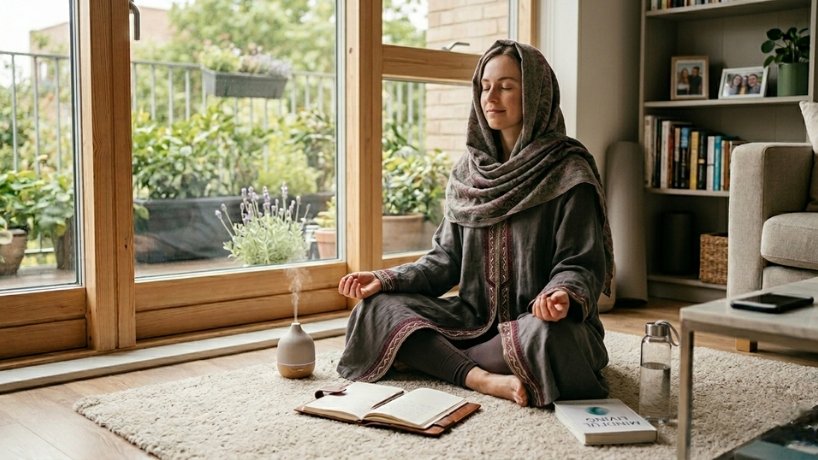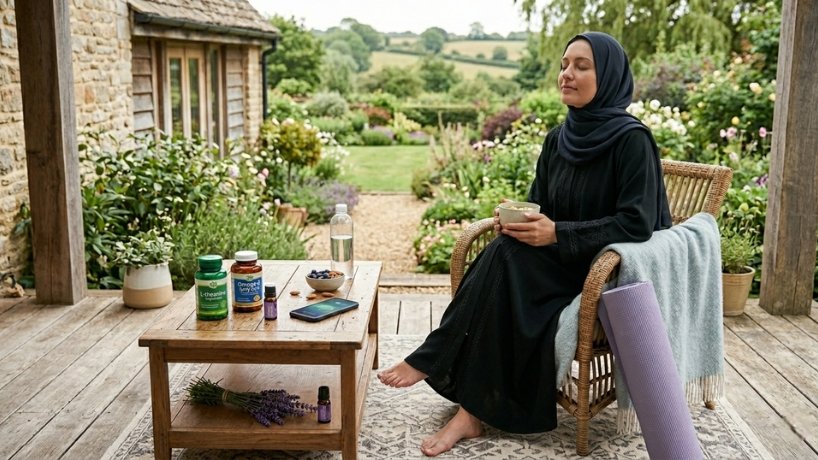
“Natural anxiety relief methods are effective for reducing stress and improving emotional balance.”
Anxiety is a widespread challenge, affecting approximately 40 million adults in the United States alone. While traditional therapies like counseling and medication are vital for many, integrating lifestyle shifts and alternative practices can offer a powerful, “whole-body” approach to mental wellness.
If you are looking to supplement your current treatment or manage mild symptoms, these natural strategies can help stabilize your mood and improve your resilience.
1. Refine Your Daily Habits
Small changes in what we consume can have a profound impact on how our nervous system reacts to stress.
- Monitor Caffeine: Caffeine is a stimulant that can mimic the physical symptoms of anxiety (racing heart, jitters). Research suggests that even 200mg (about two cups of coffee) can trigger distress in sensitive individuals.
- Reconsider Alcohol and Nicotine: While often used as “self-medication,” these substances provide only fleeting relief. In the long run, they can worsen the frequency and severity of anxiety symptoms.
- Hydration is Key: Dehydration can put stress on the body. Aiming for 6–8 glasses of water daily helps maintain cognitive function and physical calm.
2. The “Food-Mood” Connection
The field of nutritional psychiatry highlights how a balanced diet acts as a foundation for mental health. To keep your brain chemistry balanced:
- Stabilize Blood Sugar: Eating regular, nutrient-dense meals prevents the “crashes” that feel like panic attacks.
- Focus on Whole Foods: Prioritize leafy greens, lean proteins, and healthy fats while reducing processed sugars and sodas.
3. Move Your Body, Calm Your Mind
Physical activity is one of the most effective natural anti-anxiety treatments available.
- The Quick Fix: Just 5 to 10 minutes of aerobic exercise (like a brisk walk) can stimulate neurochemicals that dampen anxiety for several hours.
- Long-term Benefits: Regular cardiovascular workouts strengthen the immune system and lower overall baseline stress levels.
4. Prioritize Restorative Sleep
Sleep and anxiety exist in a bidirectional relationship: anxiety makes it hard to sleep, and lack of sleep fuels anxiety.
- The Goal: Aim for 6 to 8 hours of quality rest.
- The Routine: Maintain a consistent wake-up time, seek out natural sunlight during the day, and disconnect from digital screens at least one hour before bed to allow your brain to reset.
5. Mind-Body Relaxation Techniques
Training your body to activate its “relaxation response” can help you stay grounded during stressful moments.
- Meditation: This practice helps you observe anxious thoughts without being consumed by them.
- Breathwork: Controlled breathing exercises are a “kill switch” for the fight-or-flight response, preventing hyperventilation.
- Yoga: Combining movement with breath, yoga (specifically Hatha) has been shown to significantly reduce stress levels when practiced consistently.
6. Supplements and Natural Aids
While supplements should never replace primary medical care, several have shown promise in supporting a calmer nervous system.
| Supplement | Potential Benefit |
| Magnesium & B12 | Supports nervous system health and mood regulation. |
| Chamomile | Known for soothing properties; long-term use may reduce GAD symptoms. |
| L-theanine | An amino acid (found in green tea) that promotes relaxation without drowsiness. |
| Omega-3s | Essential fatty acids that support brain function and reduce inflammation. |
| Lavender Oil | Used in aromatherapy to promote a sense of calm. |
Note: Always consult a physician before starting supplements, as they can interact with medications or be unsafe during pregnancy.
Final Takeaway
Alternative treatments are most effective when viewed as part of a broader wellness toolkit. They work best in tandem with professional guidance to help you build a more peaceful, balanced life.