Introduction
As concerns about climate change, food systems, and personal health continue to rise, many people are asking an important question: what does a sustainable diet actually look like?
A sustainable diet is not about strict rules, extreme restrictions, or following trends. Instead, it focuses on creating a way of eating that supports your health while protecting the environment and preserving food resources for the future.
Understanding a Sustainable Diet
At its core, sustainability means making choices today that don’t harm tomorrow. When applied to food, it goes beyond calories and nutrients.
A sustainable diet aims to:
- Promote long-term health
- Use natural resources responsibly
- Protect ecosystems like soil and water
- Reduce pollution and waste
- Support fair working conditions in food production
It’s a balanced approach that considers health, environment, and society together.
Why Plant-Based Foods Matter
Scientific research shows that plant-based foods generally require fewer resources compared to animal-based foods. Producing vegetables, grains, and legumes often uses less water, land, and energy.
Because of this, a sustainable diet usually includes more:
- Fruits and vegetables
- Whole grains
- Beans, lentils, and legumes
- Nuts and seeds
However, this doesn’t mean you must eliminate animal products completely. Moderate consumption of responsibly sourced meat, dairy, eggs, or fish can still be part of a sustainable lifestyle.
The goal is balance—not restriction.
Sustainability Goes Beyond Food Choices
Eating sustainably is not just about what you eat—it’s also about how food reaches your plate.
Farming Practices
Food grown using eco-friendly methods that protect soil and biodiversity is more sustainable than large-scale industrial farming.
Processing and Packaging
Highly processed foods often require more energy and packaging, increasing environmental impact.
Local and Seasonal Eating
Foods grown locally and in season usually require fewer resources compared to imported or out-of-season products.
Fair Labor Practices
A sustainable food system also ensures fair wages, safe working conditions, and ethical treatment of workers.
Are Plant-Based Alternatives Always Better?
Not necessarily.
While plant-based alternatives can reduce environmental impact, many processed substitutes require complex production methods and packaging.
Whole foods like beans, grains, and vegetables are often:
- More natural
- Less processed
- More sustainable
Choosing simple foods is often the better long-term option.
Simple Ways to Build a Sustainable Diet
1. Reduce Animal-Based Meals Gradually
Start by replacing a few meals per week with plant-based options.
2. Make Plants the Center of Your Plate
Use vegetables, grains, and legumes as the main part of your meals, with meat as a smaller addition.
3. Choose Responsible Food Sources
Support farmers and brands that follow ethical and environmentally friendly practices.
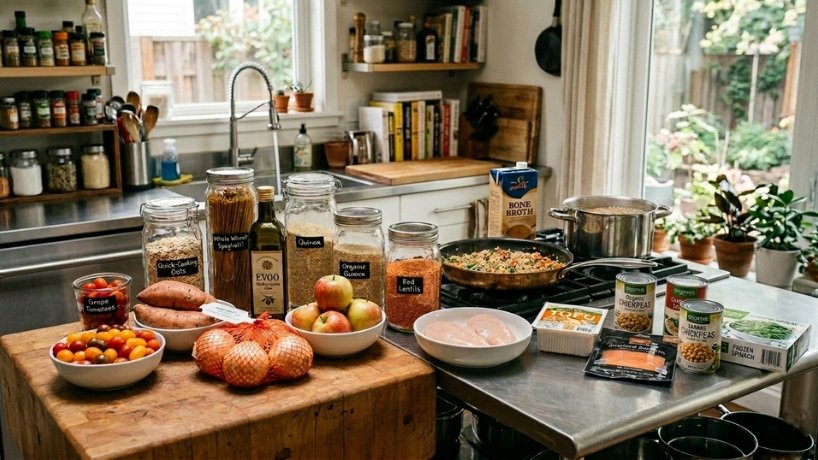
4. Cook More at Home
Home cooking reduces packaging waste and helps you control ingredients and portions.
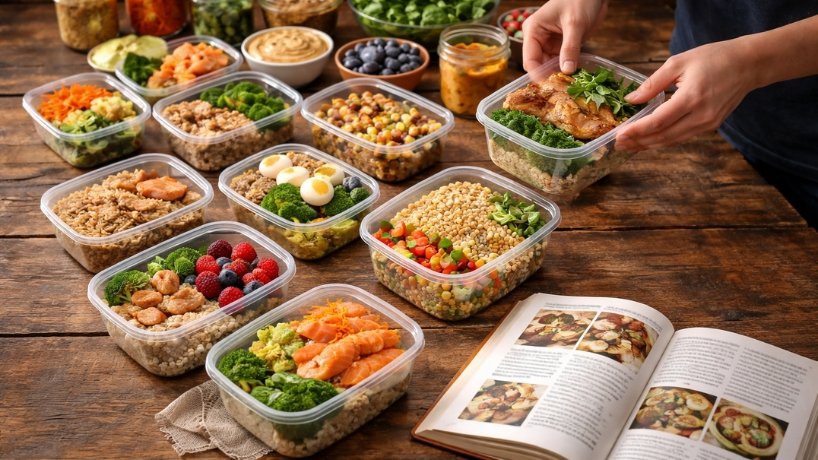
5. Minimize Food Waste
Plan meals, store food properly, and reuse leftovers to avoid unnecessary waste.
Final Thoughts
A sustainable diet is not about being perfect—it’s about making better choices consistently.
You don’t need to change everything overnight. Even small steps like eating more plant-based meals, reducing waste, and choosing local foods can make a real difference.
By adopting a balanced and thoughtful approach, you can support both your health and the environment—one meal at a time.