
Your heart works around the clock, making every heartbeat essential for your overall well-being. One of the simplest ways to care for it is by choosing nutritious foods every day. A balanced eating plan can help regulate cholesterol, maintain healthy blood pressure, reduce inflammation, and improve circulation.
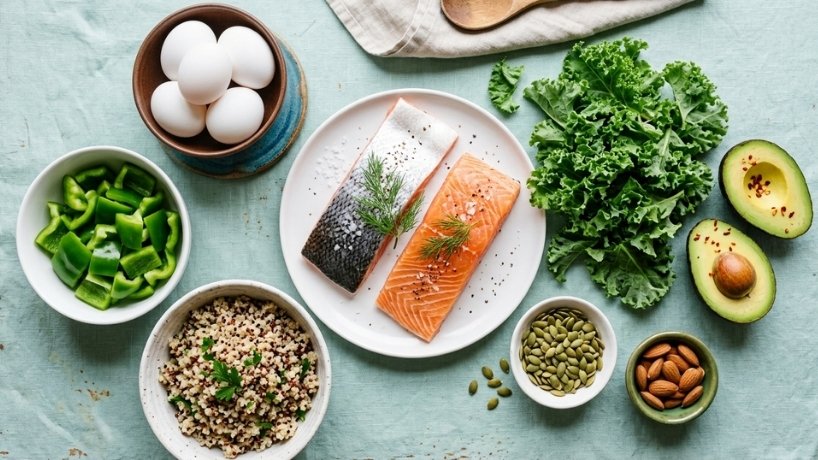
Instead of depending on supplements or trendy diets, focus on natural foods packed with vitamins, minerals, fiber, healthy fats, and antioxidants. Below are 17 foods that can help keep your cardiovascular system strong and healthy.
1. Spinach and Other Leafy Greens
Green vegetables are among the most nutritious foods you can eat. They provide vitamins, minerals, and plant compounds that help maintain healthy arteries and improve blood circulation.
Why They’re Good for Your Heart
- Support healthy blood vessels
- Rich in vitamin K
- Help regulate blood pressure
- Contain antioxidants that protect cells
Healthy Choices
- Spinach
- Kale
- Swiss chard
- Arugula
- Collard greens
2. Whole Grains
Unlike refined grains, whole grains retain their natural fiber and nutrients, making them a smart choice for cardiovascular wellness.
Best Whole Grains
- Oatmeal
- Brown rice
- Whole wheat
- Barley
- Rye
- Quinoa
Benefits
- Help manage cholesterol
- Support healthy digestion
- Stabilize blood sugar
- Promote long-term heart health
3. Fresh Berries
Berries are naturally sweet and packed with antioxidants that defend the body against oxidative stress.
Excellent Choices
- Blueberries
- Strawberries
- Blackberries
- Raspberries
Heart Benefits
- Improve blood vessel function
- Reduce inflammation
- Support healthy blood pressure
- Protect against free radicals
4. Avocados
Creamy avocados provide heart-friendly monounsaturated fats that support healthy cholesterol levels.
Why Eat Them?
- Rich in potassium
- Help lower LDL cholesterol
- Encourage healthy HDL cholesterol
- Support normal blood pressure
Enjoy avocado in salads, sandwiches, wraps, or smoothies.
5. Oily Fish
Fatty fish are among the richest natural sources of omega-3 fatty acids.
Great Options
- Salmon
- Sardines
- Trout
- Mackerel
- Herring
Health Benefits
- Support heart rhythm
- Lower triglycerides
- Reduce inflammation
- Improve circulation
Eating fish twice each week is a simple goal for most adults.
6. Walnuts
Walnuts contain healthy fats, plant protein, and minerals that nourish your heart.
Benefits
- Improve artery flexibility
- Help lower cholesterol
- Reduce inflammation
- Support blood vessel health
A small handful makes a satisfying snack.
7. Beans and Lentils
Legumes are nutrient-dense foods that are inexpensive and filling.
Healthy Choices
- Chickpeas
- Kidney beans
- Lentils
- Black beans
- Pinto beans
Benefits
- High in fiber
- Support healthy cholesterol
- Help control blood sugar
- Keep you full longer
8. Dark Chocolate
Dark chocolate contains natural flavonoids that may support cardiovascular health when consumed in moderation.
Benefits
- Supports healthy circulation
- Provides antioxidant protection
- May improve blood vessel function
Choose varieties with at least 70% cocoa and avoid excessive portions.
9. Tomatoes
Tomatoes contain lycopene, an antioxidant known for supporting heart health.
Benefits
- Protect blood vessels
- Promote healthy cholesterol
- Reduce oxidative stress
- Support healthy circulation
Cooked tomato products often provide more absorbable lycopene than raw tomatoes.
10. Almonds
Almonds are packed with healthy fats, vitamin E, protein, and dietary fiber.
Benefits
- Help maintain healthy cholesterol
- Support weight management
- Keep you satisfied between meals
- Provide important minerals
A small serving each day is enough to gain their nutritional benefits.
11. Chia Seeds
Despite their tiny size, chia seeds offer impressive nutrition.
Benefits
- Excellent source of fiber
- Rich in plant omega-3 fats
- Support digestive health
- Help maintain healthy cholesterol
Mix them into yogurt, oatmeal, or smoothies.
12. Flaxseeds
Ground flaxseeds are an easy way to increase your intake of healthy fats and fiber.
Benefits
- Promote healthy blood pressure
- Help reduce inflammation
- Support cholesterol balance
- Provide plant-based omega-3 fatty acids
Freshly ground flaxseed is easier for the body to absorb.
13. Hemp Seeds
Hemp seeds provide complete plant protein along with essential fatty acids.
Benefits
- Support circulation
- Rich in magnesium
- Help reduce inflammation
- Provide healthy fats
Sprinkle them over salads, cereal, or soups.
14. Garlic
Garlic has long been valued as both a flavorful ingredient and a traditional wellness food.
Benefits
- Helps support healthy blood pressure
- Promotes healthy circulation
- Supports cholesterol balance
- Protects blood vessels
Fresh garlic generally provides the greatest nutritional value.
15. Extra Virgin Olive Oil
Olive oil is one of the healthiest cooking oils available.
Benefits
- High in monounsaturated fats
- Rich in protective antioxidants
- Supports healthy cholesterol
- Helps reduce inflammation
Use it for dressings, roasted vegetables, or light sautéing.
16. Edamame
Edamame, or young soybeans, offers plant protein together with fiber and antioxidants.
Benefits
- Supports healthy cholesterol
- Provides complete protein
- Rich in dietary fiber
- Promotes cardiovascular wellness
Enjoy steamed edamame as a snack or side dish.
17. Green Tea
Green tea contains beneficial plant compounds that support overall wellness.
Benefits
- Rich in catechins
- Supports healthy cholesterol
- Helps reduce inflammation
- Encourages healthy blood pressure
Drink one to three unsweetened cups daily as part of a balanced diet.
Healthy Habits That Protect Your Heart
Good nutrition works best when combined with positive lifestyle choices.
- Exercise regularly.
- Stay at a healthy weight.
- Avoid tobacco products.
- Limit sugary drinks and processed foods.
- Eat plenty of colorful fruits and vegetables.
- Drink enough water throughout the day.
- Sleep seven to nine hours every night.
- Practice stress management techniques.
Frequently Asked Questions
What foods should I eat every day for a healthy heart?
Focus on vegetables, fruits, whole grains, beans, nuts, seeds, healthy oils, and lean protein sources like fish.
Is eating fish necessary for heart health?
Fatty fish provides valuable omega-3 fats, but if you don’t eat fish, you can obtain healthy fats from walnuts, chia seeds, flaxseeds, and other plant foods.
Is dark chocolate healthy?
Dark chocolate with a high cocoa percentage may support heart health when eaten occasionally in moderate amounts.
Which oil is best for cooking?
Extra virgin olive oil is widely recommended because it contains healthy fats and antioxidant compounds that support cardiovascular health.
Conclusion
Protecting your heart begins with the foods you place on your plate every day. A diet rich in vegetables, fruits, whole grains, legumes, healthy fats, nuts, seeds, and fish provides essential nutrients that help maintain healthy cholesterol, balanced blood pressure, and strong circulation.
Instead of searching for one miracle ingredient, build a balanced eating pattern filled with a variety of whole foods. Combined with regular exercise, quality sleep, and healthy lifestyle habits, these nutritious choices can help keep your heart strong for years to come.