If you’ve struggled with persistent breakouts, you know that the search for a “magic bullet” can be exhausting. While topical creams and medications are common, many are turning to their diet—specifically Omega-3 fatty acids—to find relief.
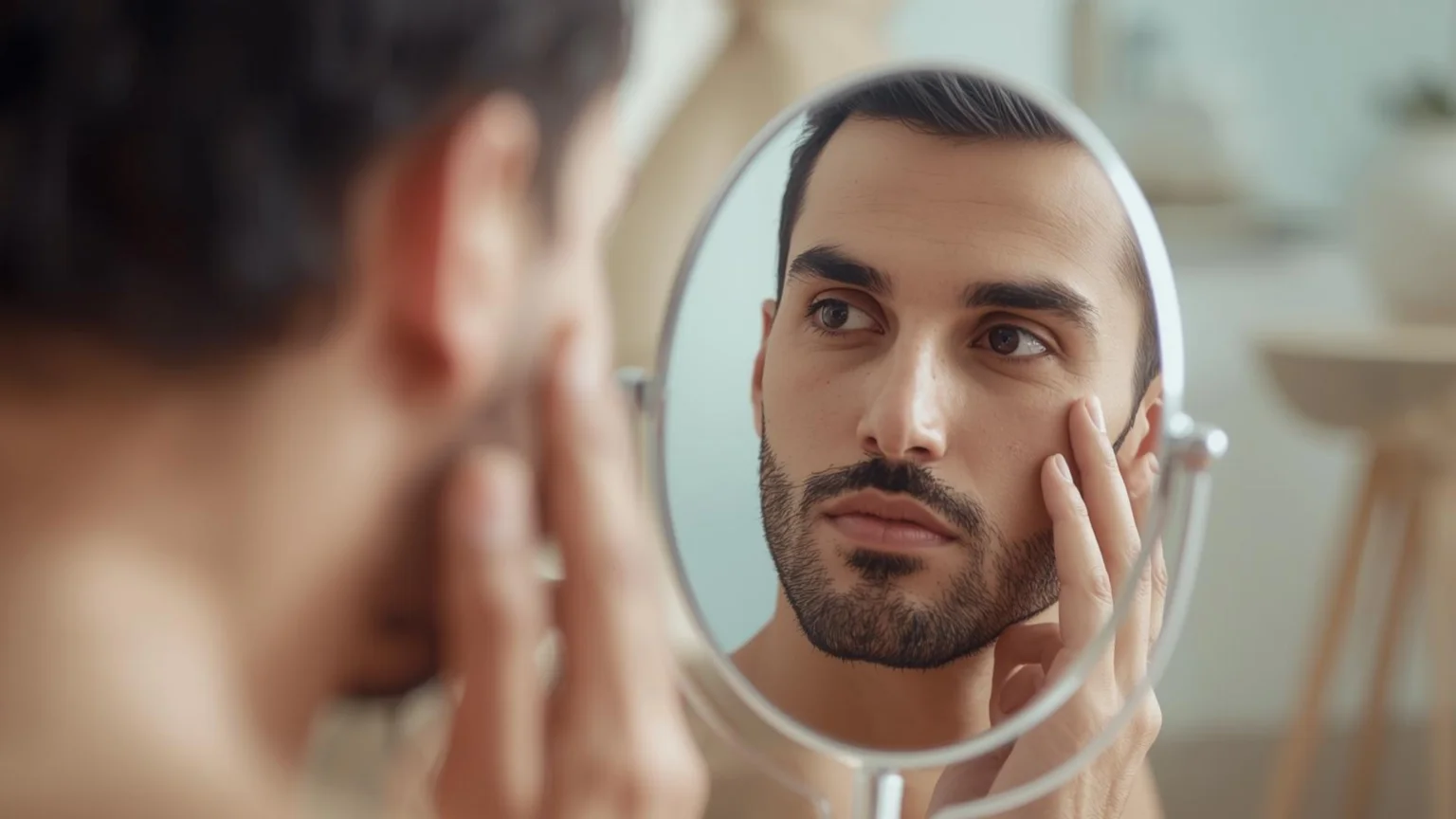
Because acne is deeply rooted in inflammation, the natural anti-inflammatory properties of Omega-3s have sparked significant interest in the skincare community.
The Role of Inflammation in Acne
Acne isn’t just about surface-level oil. It is a complex inflammatory response. When pores become blocked by a mixture of sebum (oil) and dead skin cells, bacteria thrive. This triggers your immune system to send out “pro-inflammatory” signals, leading to the redness, swelling, and pus associated with painful pimples.
Recent dermatological research suggests that inflammation is present at every stage of a breakout, which is why Omega-3s—known for their ability to calm the body’s inflammatory markers—are being studied as a potential remedy.
How Omega-3s Might Help Your Complexion
There are three primary types of Omega-3s: EPA, DHA (found in marine sources), and ALA (found in plants). Most skin-related research focuses on EPA and DHA.
- Targeting the Source: Some small-scale studies have shown that individuals with chronic acne often have lower blood levels of EPA.
- Reduction in Lesions: One clinical trial involving 45 participants found that a daily 2,000 mg dose of EPA and DHA significantly reduced the number of both inflammatory “bumps” and non-inflammatory blackheads over 10 weeks.
- Dietary Evidence: Observational data suggests that frequent fish eaters are significantly less likely to suffer from moderate to severe acne compared to those who rarely eat seafood.
The Catch: Results are mixed. In some smaller studies, certain participants actually saw their acne worsen when taking supplements. This suggests that the “Omega-3 effect” may vary based on your specific skin type and the severity of your condition.
Are There Side Effects?
While generally safe, Omega-3 supplements (especially fish oil) can cause minor issues:
- Digestive upset: Nausea or diarrhea.
- Sensory issues: Fishy aftertaste or “fish burps.”
- Breakout paradox: As noted, a small percentage of people report an increase in breakouts when first starting high-dose fish oil.
Practical Ways to Incorporate Omega-3s for Skin Health
Because there is no “official” dose for treating acne, the best approach is to start with whole foods.
1. Prioritize Fatty Fish Aim for at least 8 ounces of seafood per week. Low-mercury options like salmon, sardines, and trout are ideal for providing the EPA and DHA your skin needs.
2. Boost Plant-Based ALA Incorporate chia seeds, flaxseed meal, and walnuts into your breakfast. While the body converts these less efficiently than fish oil, they are packed with other skin-healthy nutrients like fiber and zinc.
3. Consult a Professional The American Academy of Dermatology does not yet officially recommend Omega-3 supplements for acne. Before starting a high-dose regimen, speak with a dermatologist or GP, especially if you are pregnant or taking blood-thinning medication.
The Bottom Line
While Omega-3s are a powerful tool for reducing systemic inflammation, they aren’t a guaranteed “cure” for acne. They are most effective when used as part of a holistic approach to skin health that includes stress management, proper hydration, and a consistent skincare routine.