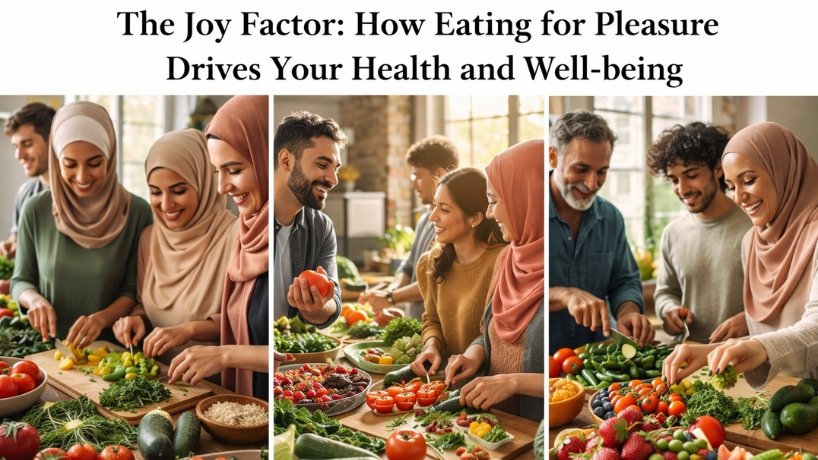
Nutrition is about much more than calories, vitamins, and meal plans. Every person’s eating habits are shaped by family traditions, cultural values, religious beliefs, economic circumstances, and personal experiences. Because of this, the same nutrition advice will not work equally well for everyone.

Modern dietetics recognizes that successful nutrition care must consider the whole person rather than focusing only on food. Cultural awareness allows dietitians to design practical eating plans that respect individual lifestyles while supporting better health.
Food Is Part of Identity
For many people, food represents comfort, history, family, and celebration. Traditional meals often connect generations and preserve cultural heritage. Asking someone to completely abandon these foods may create frustration and reduce the likelihood of following professional advice.
Instead of replacing familiar meals, nutrition professionals should explore healthier ways to prepare traditional dishes while maintaining their cultural importance.
What Does Cultural Competence Mean?
Cultural competence is the ability to work respectfully with people whose backgrounds, customs, and beliefs may differ from your own. In nutrition practice, this means understanding that healthy eating has many forms and should never be limited to one culture’s eating style.
A culturally aware dietitian focuses on learning about the individual’s daily routine, food availability, cooking methods, and personal preferences before making recommendations.
Why Individualized Nutrition Matters
Every client arrives with unique circumstances that influence food choices.
Important factors include:
- Cultural traditions
- Religious practices
- Household income
- Education level
- Family structure
- Local food availability
- Cooking skills
- Personal health conditions
Ignoring these realities can make even scientifically correct nutrition advice impossible to follow.
Building Trust Through Respect
Patients are more likely to participate in nutrition counseling when they feel respected.
Trust develops when healthcare professionals:
- Listen without interrupting.
- Ask thoughtful questions.
- Respect cultural food traditions.
- Avoid making assumptions.
- Explain recommendations clearly.
- Encourage shared decision-making.
When patients feel understood, they are more willing to discuss challenges honestly and work toward realistic health goals.
Common Mistakes That Reduce Effective Nutrition Care
Even experienced healthcare professionals can unintentionally create barriers during consultations.
Some examples include:
Assuming Every Family Eats the Same Way
People from the same country often have different eating habits based on region, religion, income, and personal preference.
Recommending Foods That Are Difficult to Find
Nutrition advice becomes less practical if recommended ingredients are unavailable or too expensive.
Judging Traditional Foods
Labeling cultural meals as “bad” may discourage patients from continuing nutrition counseling.
Ignoring Religious Practices
Fasting periods and dietary restrictions should always be considered when creating meal plans.
Practical Strategies for Dietitians
Improving cultural competence requires continuous learning rather than memorizing facts about different communities.
Helpful approaches include:
Learn Before Teaching
Invite patients to explain their favorite meals, cooking methods, and eating schedule before offering recommendations.
Adapt Instead of Replace
Whenever possible, modify traditional recipes rather than asking patients to eliminate them completely.
Keep Learning
Explore different world cuisines, attend cultural education programs, and remain curious about unfamiliar foods.
Respect Individual Choices
Every person deserves nutrition advice that fits their beliefs, priorities, and circumstances.
The Role of Healthcare Organizations
Individual effort is important, but healthcare systems also influence patient experiences.
Organizations can support culturally responsive nutrition care by:
- Providing diversity training for staff.
- Recruiting professionals from varied backgrounds.
- Offering translated educational materials.
- Improving access to qualified interpreters.
- Including multicultural foods in nutrition resources.
- Encouraging inclusive communication practices.
These changes help create healthcare environments where all patients feel welcome.
Cultural Humility: A Lifelong Learning Process
Many experts believe cultural competence should be accompanied by cultural humility.
Cultural humility recognizes that no professional can fully understand every culture. Instead, healthcare providers remain open-minded, ask respectful questions, and continue learning throughout their careers.
This approach shifts the focus from becoming an “expert” on another culture to becoming a better listener and partner in patient care.
Creating Nutrition Plans That People Can Follow
The most effective nutrition plans are realistic rather than perfect.
Successful plans often include:
- Familiar family meals
- Affordable ingredients
- Traditional cooking methods
- Flexible meal schedules
- Practical grocery options
- Individual health goals
When recommendations fit naturally into everyday life, long-term success becomes much more achievable.
Looking Ahead
Communities continue to become more diverse, making culturally responsive healthcare increasingly important. Nutrition professionals who embrace different perspectives, communicate respectfully, and remain willing to learn are better prepared to meet the needs of modern populations.
By recognizing each person’s unique background instead of relying on assumptions, dietitians can improve communication, strengthen trust, and provide nutrition guidance that is both meaningful and sustainable.
Conclusion
Cultural competence is not simply another professional skill—it is a foundation for respectful and effective nutrition care. Understanding how culture influences food choices helps dietitians create personalized recommendations that patients can realistically follow.
When healthcare professionals combine scientific nutrition knowledge with empathy, curiosity, and respect for cultural diversity, they contribute to better health outcomes, stronger patient relationships, and a more inclusive healthcare system for everyone.