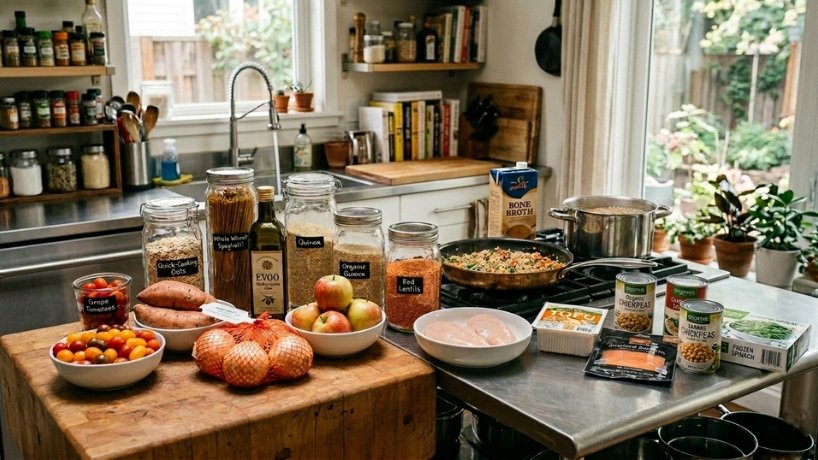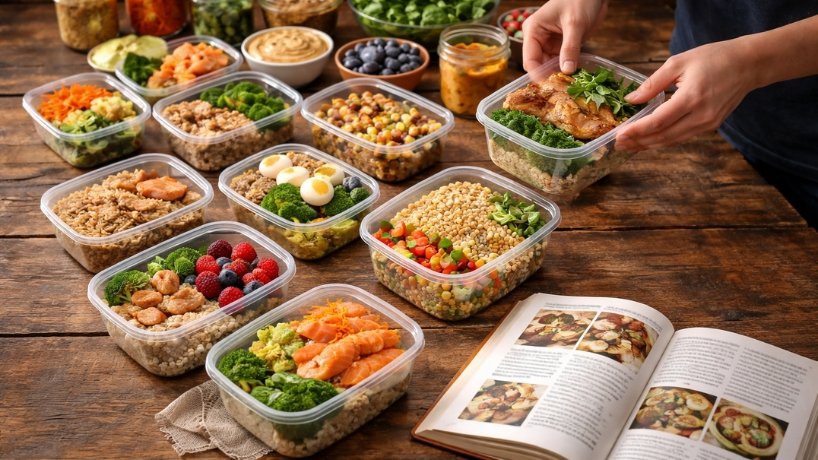
Making healthy choices at the grocery store is one of the most effective ways to improve your overall diet and support long-term wellness. However, with thousands of products, marketing claims, and endless options, shopping for nutritious foods can feel confusing.
The good news is that healthy grocery shopping becomes much easier when you have a plan. By preparing ahead of time, creating a smart shopping list, and understanding food labels, you can fill your cart with foods that support your health goals while staying within budget.
Why Planning Before Shopping Matters
Walking into a grocery store without a plan often leads to impulse purchases and forgotten essentials. Spending just a few minutes organizing your meals before shopping can save money, reduce food waste, and help you make healthier decisions.
Before heading to the store:
- Plan several meals for the upcoming week.
- Check your refrigerator, freezer, and pantry.
- Create a detailed shopping list.
- Prioritize ingredients that can be used in multiple recipes.
- Estimate portions to avoid buying excess food.
Planning ahead helps ensure that every item in your cart has a purpose.
Building a Healthy Grocery Shopping List
A successful grocery list focuses primarily on whole, minimally processed foods that provide essential nutrients.
Fresh Fruits
Add a variety of fruits to your cart, such as:
- Apples
- Bananas
- Oranges
- Berries
- Grapes
- Pears
- Avocados
- Pineapple
Fruits provide vitamins, minerals, antioxidants, and dietary fiber that support overall health.
Vegetables
Vegetables should make up a significant portion of your grocery list.
Choose options like:
- Spinach
- Broccoli
- Carrots
- Bell peppers
- Cucumbers
- Tomatoes
- Cauliflower
- Green beans
- Zucchini
- Kale
Eating a variety of colorful vegetables helps ensure a wide range of nutrients.
Protein Sources
Protein supports muscle maintenance, recovery, and satiety.
Healthy protein options include:
- Eggs
- Chicken breast
- Turkey
- Fish
- Salmon
- Tuna
- Lentils
- Beans
- Tofu
- Greek yogurt
Including different protein sources throughout the week can improve nutritional balance.
Whole Grains
Whole grains provide fiber and sustained energy.
Good choices include:
- Brown rice
- Oats
- Quinoa
- Whole wheat pasta
- Whole grain bread
- Barley
- Farro
These foods are generally more nutritious than refined grains.
Healthy Fats
Healthy fats play an important role in heart and brain health.
Consider adding:
- Olive oil
- Avocados
- Almonds
- Walnuts
- Chia seeds
- Flaxseeds
- Natural nut butters
Moderate portions of healthy fats can improve meal satisfaction and nutrition.
Meal Planning for Better Grocery Shopping
Meal planning is one of the most effective healthy grocery shopping strategies.
Choose Flexible Ingredients
Select ingredients that can be used in multiple meals.
For example:
- Grilled chicken can be used in salads, wraps, and stir-fries.
- Brown rice can serve as a side dish or a grain bowl base.
- Vegetables can be used in soups, omelets, and pasta dishes.
This approach reduces waste and maximizes value.
Cook in Batches
Preparing larger portions allows you to:
- Save time during busy weekdays.
- Reduce takeout spending.
- Ensure healthy meals are always available.
Batch cooking can make healthy eating more convenient and sustainable.
Stocking Your Kitchen with Essentials
Keeping your kitchen stocked with nutritious staples reduces the need for frequent shopping trips.
Pantry Staples
Consider maintaining supplies of:
- Oats
- Brown rice
- Quinoa
- Whole grain pasta
- Beans
- Lentils
- Canned tomatoes
- Nut butters
- Herbs and spices
Freezer Essentials
Frozen foods can be just as nutritious as fresh options.
Useful freezer items include:
- Frozen vegetables
- Frozen fruit
- Fish fillets
- Chicken breasts
- Whole grain bread
- Cooked grains
A well-stocked kitchen makes healthy meal preparation easier at any time.
Reducing Food Waste
Food waste impacts both your budget and the environment.
Practical Tips
- Use older ingredients first.
- Store produce correctly.
- Freeze leftovers before they spoil.
- Label containers with dates.
- Plan meals around ingredients nearing expiration.
Small habits can significantly reduce wasted food and unnecessary spending.
Healthy Grocery Shopping on a Budget
Nutritious eating does not have to be expensive.
Buy Seasonal Produce
Seasonal fruits and vegetables are often:
- Fresher
- More flavorful
- More affordable
Choose Store Brands
Many store-brand products offer comparable quality to name brands at a lower cost.
Purchase in Bulk
Buying larger quantities of:
- Rice
- Oats
- Beans
- Nuts
- Seeds
can reduce the cost per serving.
Include Plant-Based Meals
Beans, lentils, and tofu are affordable protein sources that can help lower grocery expenses.
Smart Grocery Store Navigation
Knowing how to navigate the store can improve purchasing decisions.
Shop the Perimeter First
The outer sections of most grocery stores typically contain:
- Fresh produce
- Dairy products
- Meat and seafood
- Eggs
These areas often contain more whole-food options.
Stay Focused on Your List
Avoid adding items simply because they are on promotion or displayed prominently.
A shopping list can help prevent unnecessary purchases and keep spending under control.
Understanding Food Labels
Food packaging often contains marketing language that can be misleading.
When evaluating products:
Read the Ingredient List
Choose products with:
- Simple ingredients
- Recognizable foods
- Minimal additives
Check Added Sugar
Many packaged foods contain hidden sugars.
Compare products and choose options with lower added sugar whenever possible.
Review Serving Sizes
Nutrition facts only apply to the listed serving size.
Always compare serving sizes to the amount you actually plan to eat.
Example of a Healthy Grocery Cart
A balanced grocery cart may include:
Produce
- Spinach
- Broccoli
- Bell peppers
- Apples
- Bananas
- Blueberries
- Avocados
Proteins
- Eggs
- Chicken breast
- Salmon
- Greek yogurt
- Black beans
Whole Grains
- Brown rice
- Oats
- Quinoa
- Whole grain bread
Healthy Fats
- Olive oil
- Almonds
- Peanut butter
Frozen Foods
- Mixed vegetables
- Frozen berries
Pantry Items
- Lentils
- Canned tomatoes
- Herbs and spices
This combination creates a strong foundation for nutritious meals throughout the week.
Final Thoughts
Healthy grocery shopping begins with preparation, planning, and informed decision-making. Creating a shopping list, prioritizing nutrient-dense foods, reading labels carefully, and maintaining a stocked kitchen can make healthy eating simpler and more affordable.
By practicing smart healthy grocery shopping habits consistently, you’ll save money, reduce food waste, and make it easier to maintain a nutritious diet for years to come.