Introduction
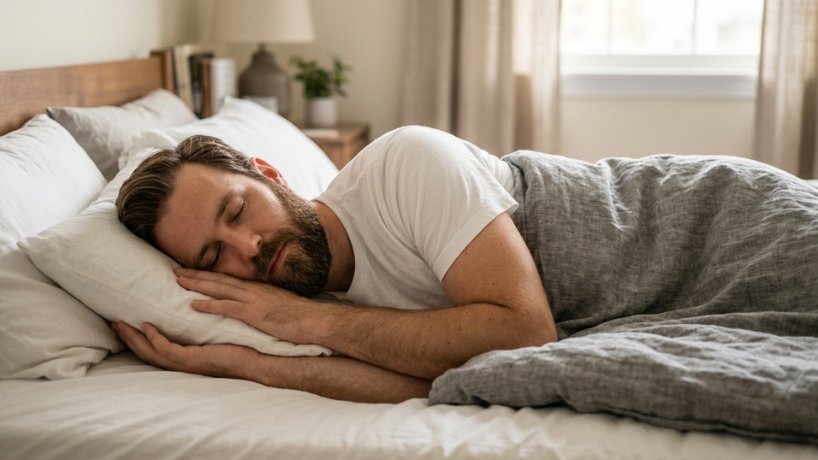
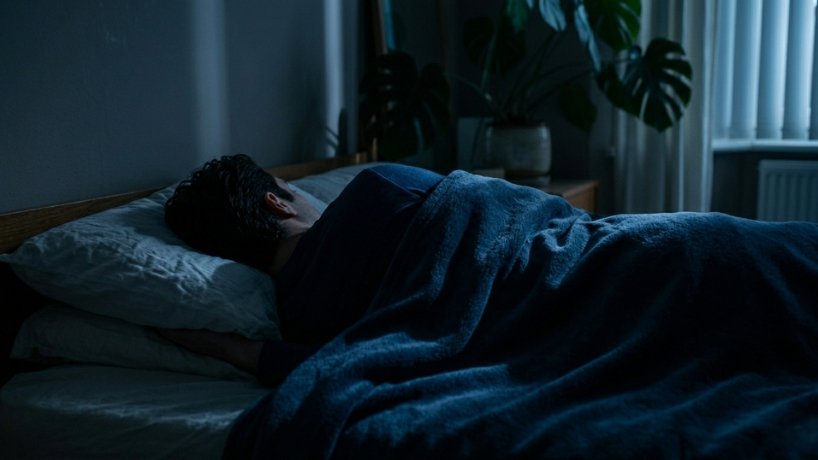
When your schedule gets tight, you might wonder whether it’s worth sleeping at all. Many people face this situation and ask about sleep 1-2 hours vs no sleep.
Although it may seem pointless to sleep for such a short time, even limited rest can help your brain and body function better than staying awake the entire night.
Sleep 1-2 Hours vs No Sleep: The Better Option
If you compare sleep 1-2 hours vs no sleep, short sleep clearly wins.
Even a brief rest can:
- Refresh your mind
- Improve alertness
- Reduce extreme fatigue
On the other hand, skipping sleep completely often results in poor concentration, low energy, and mental fog.
Understanding How Sleep Works
Sleep is made up of repeating cycles, and each cycle supports recovery in different ways.
Stage 1: Light Rest
Your body begins to relax and prepare for deeper sleep.
Stage 2: Deep Recovery
This is when physical repair happens, including muscle recovery and immune support.
Stage 3: REM Sleep
Your brain becomes active, helping with memory, learning, and emotional balance.
Completing even one full cycle (around 90 minutes) can make you feel more refreshed.
Effects of Not Sleeping at All
Choosing no sleep can impact your health quickly. Some common effects include:
- Difficulty focusing
- Slower thinking and reactions
- Irritability and mood swings
- Increased stress
- Lower immunity
Even one night without sleep can affect your productivity and decision-making.
How to Make Short Sleep More Effective
If you only have a small window to rest, try to improve its quality:
- Keep your environment quiet and dark
- Avoid caffeine before sleeping
- Stay away from screens before bed
- Relax your mind and body before sleeping
- Try to sleep without interruptions
These simple steps help maximize the benefits of short sleep.
Important Points to Remember
- Between sleep 1-2 hours vs no sleep, short sleep is always better
- Around 90 minutes allows one full sleep cycle
- Even limited rest supports brain function
- Long-term health requires consistent sleep
- Adults should aim for 7–9 hours daily
Conclusion
Short sleep is not ideal, but it’s still better than staying awake the whole night. Your body needs rest to function properly, even if it’s only for a short time.
Whenever you have to choose between sleep 1-2 hours vs no sleep, choosing to sleep—even briefly—can help you stay more focused, alert, and balanced the next day.