Introduction
The way we eat today affects more than just our health—it also impacts the environment around us. From food production to waste, every step in the food cycle plays a role in shaping the future of our planet.
Building sustainable eating habits doesn’t require extreme changes or strict rules. In fact, small and consistent improvements in your daily food choices can lead to long-term benefits for both your body and the environment.
This guide will help you understand how to eat more sustainably in a simple, practical, and realistic way.
What Are Sustainable Eating Habits?
Sustainable eating means choosing foods and habits that support both personal health and environmental balance. It involves thinking about how food is grown, processed, transported, and consumed.
Instead of following rigid diets, this approach focuses on awareness and balance. It adapts to your lifestyle, budget, and location while encouraging smarter food decisions.
Why Sustainable Eating Matters
Food production uses natural resources such as water, land, and energy. Poor food choices and waste can increase environmental pressure, while smarter choices can help reduce it.
By improving your eating habits, you can:
- Lower your environmental impact
- Reduce unnecessary waste
- Support long-term food availability
- Improve your overall well-being
Benefits of Sustainable Eating
Environmental Benefits
- Reduced carbon emissions
- Lower resource consumption
- Less food and packaging waste
Health Benefits
- More balanced nutrition
- Better digestion and energy levels
- Reduced risk of lifestyle-related issues
Personal Benefits
- More mindful eating habits
- Better food awareness
- Stronger connection to what you eat
8 Easy Ways to Build Sustainable Eating Habits
1. Eat More Plant-Based Foods
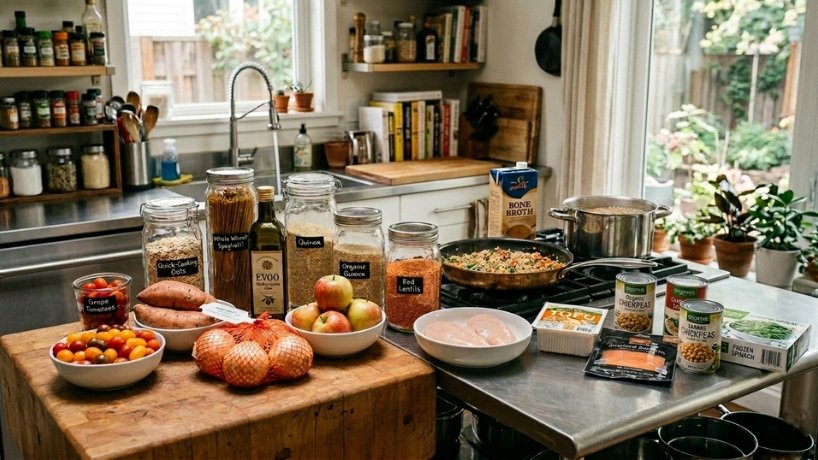
Plant-based meals usually require fewer resources to produce. You don’t need to eliminate meat—just reduce how often you eat it.
Start by including:
- Vegetables
- Lentils and beans
- Whole grains
2. Plan Your Meals
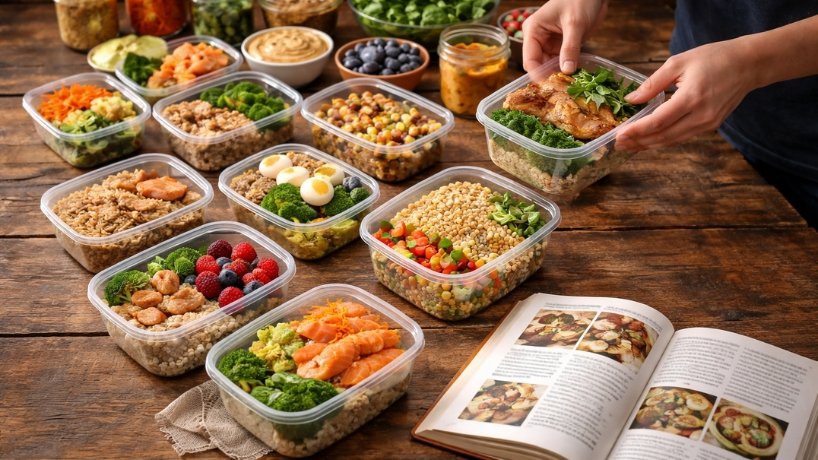
Planning your meals helps you avoid overbuying and wasting food.
Tip:
Prepare a simple weekly plan with a few core meals instead of trying to organize everything perfectly.
3. Use Food Completely
Try to make use of every part of your ingredients.
Examples:
- Vegetable scraps → soups or broths
- Leftover meals → next-day lunches
This reduces waste and saves money.
4. Compost Food Waste
If possible, compost food scraps instead of throwing them away.
Benefits:
- Reduces landfill waste
- Creates natural fertilizer
5. Choose Seasonal Foods
Seasonal produce is fresher and requires fewer resources.
Eating seasonal foods helps:
- Improve taste
- Reduce environmental impact
- Save money
6. Buy Local Products
Local food travels shorter distances, which reduces environmental impact.
You can buy from:
- Local markets
- Small farms
- Nearby grocery suppliers
7. Support Local Farming Programs
Programs like farm subscriptions or produce boxes allow you to receive fresh food directly from farmers.
This supports:
- Local agriculture
- Reduced packaging
- Fresh food supply
8. Reduce Plastic Use
Cutting down on packaging waste is one of the easiest ways to eat sustainably.
Try:
- Reusable bags
- Storage containers
- Buying unpackaged foods
Frequently Asked Questions
What is sustainable eating?
It’s a way of eating that supports both personal health and environmental sustainability.
Do I need to stop eating meat completely?
No. Even reducing meat consumption can make a positive difference.
Is sustainable eating expensive?
Not necessarily. Simple foods like grains, beans, and seasonal produce are affordable and healthy.
What’s the easiest habit to start?
Reducing food waste is one of the simplest and most effective starting points.
Final Thoughts
Sustainable eating habits are built over time—not overnight. You don’t need to follow strict rules or completely change your diet.
Start small. Stay consistent. Focus on making better choices where you can.
When you combine awareness with simple actions, you create a lifestyle that benefits both your health and the environment.