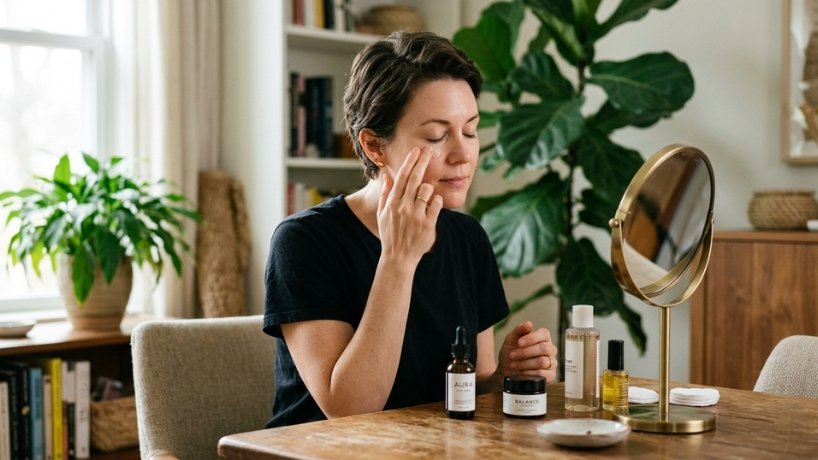
Skincare doesn’t have to be a long, perfect ritual to be meaningful. On busy or stressful days, even a simple routine can feel like one more task. But with a small shift in mindset, your everyday skincare can become a short, calming pause that supports both your skin and your mental state.
Rethinking Skincare: From Task to Pause
We often treat skincare as a checklist—cleanse, moisturize, done. Instead, use it as a brief reset in your day. Those few minutes can help you slow down, breathe, and reconnect with yourself.
Think of it less as “fixing” your skin and more as caring for yourself in the present moment.
Your Skin Reflects What You Feel
Emotional strain can show up physically. When you’re under pressure, your body responds—and your skin may react with:
- Breakouts or flare-ups
- Redness or sensitivity
- Uneven texture
Supporting your mental well-being can help your skin feel more balanced over time.
Turn Routine Steps into Mindful Moments
You don’t need extra time—just more awareness during what you already do.
While applying your products:
- Notice temperature, texture, and scent
- Keep your breathing slow and steady
- Let your shoulders drop and your jaw relax
These small details can make the routine feel grounding instead of rushed.
Build a Simple, Repeatable Ritual
Consistency creates comfort. Repeating the same gentle steps each day can signal your body to relax.
Keep it simple:
- Cleanse gently
- Apply moisturizer
- Protect (morning sunscreen)
Focus on how you feel during the process, not how fast you finish.
Ask Yourself a Quick Check-In Question
Use one question to bring awareness to the moment:
- What do I need right now—rest, focus, or calm?
- How am I feeling in my body?
There’s no need to overthink—just notice.
Replace Criticism with Care
It’s easy to look for flaws. That habit can increase stress and frustration.
Try shifting your perspective:
- From “What’s wrong with my skin?” → “How can I support it today?”
- From judgment → patience
Your skin changes over time. Treat it as something to care for—not something to fight.
Add One Calming Element
You don’t need a full spa setup. Add just one calming touch:
- Soft lighting
- Quiet music
- A few slow breaths before you start
Keep it realistic so you can do it every day.
Keep It Short and Sustainable
A 2–5 minute routine done with attention is more powerful than a long routine done in a rush. The goal is consistency, not complexity.
Daily Mindful Skincare Flow
- Start: Take one slow breath
- Cleanse: Focus on the sensation, not the speed
- Moisturize: Apply gently, without rushing
- Finish: Pause for a second and notice how you feel
Final Thoughts
Your skincare routine can be more than maintenance—it can be a daily reset.
By slowing down, staying present, and treating yourself with kindness, you turn a basic habit into something supportive and grounding.
True self-care isn’t about doing more.
It’s about being present in what you already do.