Small Time Commitment, Big Fitness Rewards
One of the biggest myths in fitness is that you need long, exhausting workouts to see meaningful progress. In reality, the effectiveness of your exercise routine depends far more on consistency and effort than on the number of hours you spend in the gym.
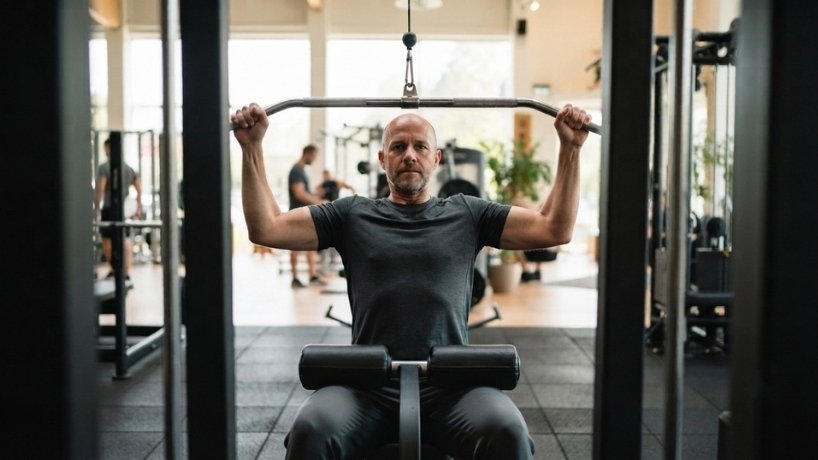
If you can dedicate just half an hour to purposeful movement most days of the week, you can steadily improve your strength, increase muscle definition, burn excess calories, and build healthier habits that last for years.
The key is creating workouts that make every minute productive instead of simply exercising for longer.
Why Consistency Beats Duration
Many people train hard for a few days and then skip the gym for the rest of the week. Unfortunately, this stop-and-start approach rarely delivers lasting results.
Shorter workouts are easier to schedule, easier to recover from, and easier to repeat. Over several months, those consistent sessions add up to hundreds of quality workouts, producing far greater progress than occasional marathon training sessions.
Success comes from showing up regularly rather than chasing perfection.
Build Every Workout Around Purpose
Before beginning any workout, decide exactly what you want to accomplish.
Your session may focus on:
- Increasing strength
- Improving cardiovascular endurance
- Burning additional calories
- Developing better mobility
- Enhancing athletic performance
Having a clear objective prevents wasted time and keeps every exercise intentional.
The Ideal Balance for Better Results
Instead of performing only one type of exercise, include several fitness elements throughout your week.
Strength Work
Resistance exercises encourage muscle development, improve bone health, and increase everyday functional strength.
Heart-Healthy Movement
Activities that raise your heart rate improve endurance while supporting calorie expenditure.
Flexibility and Mobility
Stretching and controlled mobility exercises help maintain healthy joints and improve movement quality.
Recovery
Muscles grow stronger after training, not during it. Quality sleep and recovery days are essential parts of every successful program.
A Weekly Routine That Fits Busy Lifestyles
A balanced schedule might look like this:
Monday: Full-body resistance workout
Tuesday: Moderate cardio session
Wednesday: Strength training
Thursday: Brisk walk, cycling, or swimming
Friday: Full-body resistance workout
Saturday: Light activity such as yoga or stretching
Sunday: Complete recovery
This combination provides variety while giving your muscles enough time to recover.
Designing an Effective Half-Hour Workout
Every session should contain three simple phases.
Begin with Movement Preparation
Spend several minutes preparing your body through light activity.
Examples include:
- Walking
- Bodyweight squats
- Shoulder circles
- Hip mobility drills
- Dynamic leg swings
Preparing your muscles before lifting reduces stiffness and improves movement quality.
Focus on Multi-Joint Exercises
Choose movements that challenge several muscle groups simultaneously.
Examples include:
- Squats
- Lunges
- Deadlift variations
- Push-ups
- Dumbbell presses
- Bent-over rows
Because these exercises recruit multiple muscles together, they allow you to accomplish more in less time.
Finish with Higher-Energy Movement
End the workout by increasing your heart rate.
You can alternate between faster and slower movement for several rounds using activities such as:
- Fast walking
- Stationary cycling
- Jump rope
- Rowing
- Running
This final phase boosts cardiovascular fitness while increasing total energy expenditure.
Simple Ways to Improve Workout Quality
Small changes often produce significant improvements.
Keep Moving
Avoid spending excessive time checking your phone or resting between exercises.
Challenge Yourself Gradually
As workouts become easier, increase resistance, improve technique, or perform additional repetitions.
Prioritize Proper Form
Good movement quality protects your joints while helping muscles work more effectively.
Record Your Progress
Tracking workouts allows you to measure improvement and stay motivated.
Nutrition Supports Every Workout
Physical activity is only one part of building a healthier body.
Choose meals that include:
- Protein-rich foods
- Whole grains
- Fresh vegetables
- Seasonal fruit
- Healthy fats
- Plenty of water
Balanced nutrition provides the energy required for training while supporting recovery afterward.
Healthy Habits Beyond Exercise
Fitness improvements come from your overall lifestyle rather than workouts alone.
Helpful habits include:
- Sleeping consistently each night
- Drinking enough water throughout the day
- Managing stress effectively
- Staying active outside the gym
- Avoiding long periods of sitting whenever possible
These habits work together to improve overall well-being.
Mistakes That Can Slow Your Progress
Many people struggle because they:
- Skip workouts frequently
- Perform random exercises without a plan
- Rush through movements with poor technique
- Ignore recovery
- Expect dramatic changes within a few weeks
Patience and consistency almost always outperform quick-fix approaches.
Long-Term Success Starts with Daily Action
Improving your body doesn’t require endless hours of training or expensive equipment. A focused 30-minute workout performed consistently can strengthen muscles, improve endurance, increase energy, and support healthy weight management.
The real secret isn’t finding the perfect workout—it’s building a routine you can maintain month after month. Stay committed, continue challenging yourself safely, eat nutritious foods, recover properly, and let steady progress replace unrealistic expectations. Over time, those daily 30-minute sessions can lead to remarkable changes in both your fitness and your overall health.