
Your Heart Is Fed by Every Meal You Eat
Every heartbeat depends on the nutrients your body receives. While genetics and age influence cardiovascular health, your daily food choices are among the strongest factors you can control.
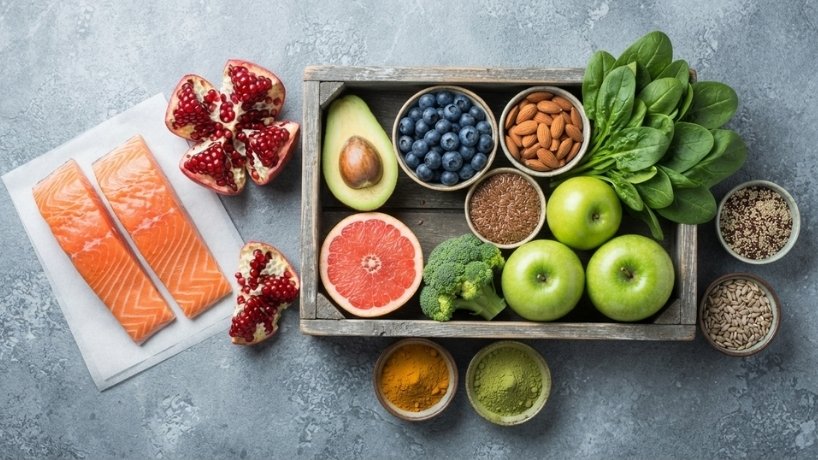
A balanced eating pattern helps maintain healthy blood circulation, supports normal cholesterol levels, encourages stable blood pressure, and provides the energy your heart needs to function efficiently. The goal isn’t following a strict diet—it’s building eating habits that you can enjoy for years.
Healthy living begins one meal at a time.
Eat More Foods That Come from Nature
Foods in their natural or minimally processed form provide valuable nutrients without excessive amounts of salt, added sugars, or unhealthy fats.
Try filling your meals with foods such as:
- Fresh vegetables of every color
- Seasonal fruits
- Whole grains
- Beans and lentils
- Fish
- Skinless poultry
- Low-fat dairy products
- Nuts and seeds
A colorful plate usually delivers a wider range of vitamins, minerals, and antioxidants.
Make Vegetables the Center of Your Plate
Vegetables supply fiber, vitamins, minerals, and protective plant compounds that help your body function properly.
Excellent choices include:
- Leafy greens
- Bell peppers
- Broccoli
- Cauliflower
- Carrots
- Cucumbers
- Tomatoes
Eating vegetables with lunch and dinner is a simple habit that supports overall wellness.
Choose Fruit for Natural Sweetness
Fruit offers natural sugars together with fiber, water, and important nutrients.
Great everyday options include:
- Apples
- Oranges
- Pears
- Berries
- Grapes
- Kiwi
- Papaya
- Bananas
Fresh fruit makes a satisfying snack without relying on heavily processed sweets.
Select Better Sources of Protein
Protein is essential for repairing tissues and maintaining muscle while supporting many body functions.
Nutritious options include:
- Fish
- Chicken breast
- Turkey
- Eggs
- Lentils
- Chickpeas
- Kidney beans
- Soy-based foods
Including different protein sources throughout the week creates a balanced eating pattern.
Healthy Fats Deserve a Place in Your Diet
Your body requires dietary fat, but choosing the right kinds matters.
Foods rich in unsaturated fats include:
- Olive oil
- Avocados
- Almonds
- Walnuts
- Pistachios
- Chia seeds
- Flaxseeds
These foods can be enjoyed in sensible portions as part of an overall balanced diet.
Reduce Foods That Offer Little Nutrition
Some products contain large amounts of calories while providing very few beneficial nutrients.
Limit foods like:
- Sugary soft drinks
- Sweet desserts
- Packaged snack foods
- Deep-fried meals
- Highly processed meats
- Commercial baked goods
Replacing these foods gradually is often easier than eliminating them all at once.
Be Mindful of Hidden Sugar
Added sugar appears in many foods that don’t always taste extremely sweet.
Check labels on products such as:
- Breakfast cereals
- Flavored yogurt
- Fruit-flavored beverages
- Coffee drinks
- Snack bars
- Sauces
Choosing products with less added sugar helps create healthier eating habits over time.
Watch Your Sodium Intake
Too much sodium may contribute to elevated blood pressure in many individuals.
Easy ways to reduce sodium include:
- Preparing meals at home
- Using herbs instead of extra salt
- Choosing fresh ingredients
- Limiting packaged convenience foods
- Comparing nutrition labels before purchasing
Small reductions each day can make a meaningful difference over time.
Drink Wisely
Hydration supports every system in the body.
Water should be your primary beverage throughout the day.
If you enjoy coffee or tea, consume them in moderation and pay attention to how caffeine affects your sleep and energy levels.
Alcohol, if consumed, should also be limited because excessive intake may negatively affect overall health.
Nutrients That Help Support Heart Function
A variety of vitamins and minerals contribute to normal cardiovascular function.
Important nutrients include:
Potassium
Found in bananas, potatoes, spinach, beans, and oranges.
Magnesium
Available in seeds, nuts, legumes, and whole grains.
Calcium
Present in dairy products, fortified beverages, and leafy vegetables.
Vitamin D
Obtained through sunlight exposure, fortified foods, eggs, and certain fish.
Omega-3 Fats
Naturally present in salmon, sardines, trout, walnuts, flaxseeds, and chia seeds.
Eating a diverse diet naturally provides many of these important nutrients.
Healthy Cooking Makes a Difference
The way food is prepared is just as important as the ingredients themselves.
Healthier cooking methods include:
- Baking
- Steaming
- Grilling
- Roasting
- Air frying
- Light sautéing
These techniques often require less added fat while preserving flavor.
Everyday Habits That Support Heart Wellness
Nutrition works best alongside other healthy lifestyle choices.
Consider making time for:
- Daily physical activity
- Quality sleep
- Stress management
- Regular health checkups
- Maintaining a healthy body weight
- Avoiding tobacco products
Together, these habits create a strong foundation for long-term wellness.
Simple Changes That Add Up
Healthy living doesn’t require dramatic changes overnight.
Start with one or two achievable goals, such as:
- Drinking more water
- Eating one additional serving of vegetables
- Replacing sugary drinks with healthier options
- Cooking dinner at home more often
- Choosing whole grains instead of refined grains
Small improvements repeated consistently often lead to lasting success.
Final Thoughts
Looking after your heart begins with the choices you make every day. Nutritious meals, balanced portions, and a variety of wholesome foods provide the foundation for better cardiovascular health. When healthy eating is combined with regular movement, restful sleep, and positive lifestyle habits, you create an environment where your heart can continue supporting you for years to come.
Rather than striving for perfection, focus on making steady improvements. Every healthy meal is another step toward protecting one of your body’s most important organs.