Key Takeaways
- Quality sleep plays an important role in maintaining healthy, refreshed-looking skin.
- Inadequate sleep may contribute to dryness, dullness, puffiness, and a tired appearance.
- Creating a sleep-friendly environment and following healthy nighttime habits can support both skin health and overall wellness.
- Good sleep benefits not only your skin but also your heart, metabolism, immune system, and mental well-being.
Introduction
The phrase “beauty sleep” has been around for generations, and modern research continues to support the idea that quality rest can positively affect the way your skin looks and feels. While skincare products can help improve your complexion, sleep provides your body with valuable time to repair and restore itself naturally.
When you consistently get enough sleep, your body can better regulate hydration, support skin renewal, and maintain a healthy appearance. On the other hand, frequent sleep deprivation may leave your skin looking tired, dry, or less vibrant.
The Relationship Between Sleep and Skin Health
Your skin works continuously to protect your body from environmental stressors, pollutants, and daily wear and tear. During sleep, the body enters a recovery phase that supports cellular repair and regeneration.
Adequate rest may help:
- Support natural skin repair processes
- Maintain healthy skin hydration
- Improve skin texture and appearance
- Reduce signs of fatigue
- Support overall skin resilience
Because the skin is constantly renewing itself, getting enough sleep can be an important part of any skincare routine.
How Lack of Sleep Can Affect Your Skin
Sleep deprivation can influence several aspects of skin health.
Increased Dryness
When sleep quality suffers, the body’s hydration balance may be affected. As a result, skin can appear drier and less supple.
Dull or Tired Appearance
Insufficient rest can make the complexion look less vibrant. Many people notice that their skin appears dull or fatigued after several nights of poor sleep.
Under-Eye Puffiness and Dark Circles
One of the most recognizable signs of inadequate sleep is the appearance of dark circles or puffiness beneath the eyes. These changes can make the face appear older and more tired.
Reduced Skin Elasticity
Long-term sleep deprivation may affect the skin’s ability to maintain firmness and elasticity, potentially contributing to the appearance of fine lines and wrinkles over time.
Sleep Benefits Beyond Skin Care
While healthier-looking skin is a great reason to prioritize rest, the benefits extend far beyond appearance.
Consistent, high-quality sleep may help:
- Support heart health
- Improve immune function
- Maintain healthy blood sugar levels
- Enhance memory and concentration
- Promote emotional well-being
- Improve energy levels throughout the day
When you sleep well, your entire body benefits.
Tips for Better Skin While You Sleep
Choose Gentle Bedding Materials
The fabric that touches your skin every night can make a difference. Smooth materials such as silk may create less friction on the skin compared to rougher fabrics.
Benefits of silk bedding may include:
- Reduced skin irritation
- Less friction against delicate facial skin
- Better moisture retention
- Greater comfort during sleep
Keep Bedding Clean
Regularly washing pillowcases and sheets helps reduce the buildup of dirt, oils, sweat, and other impurities that can come into contact with your skin.
Maintain a Nighttime Skin Care Routine
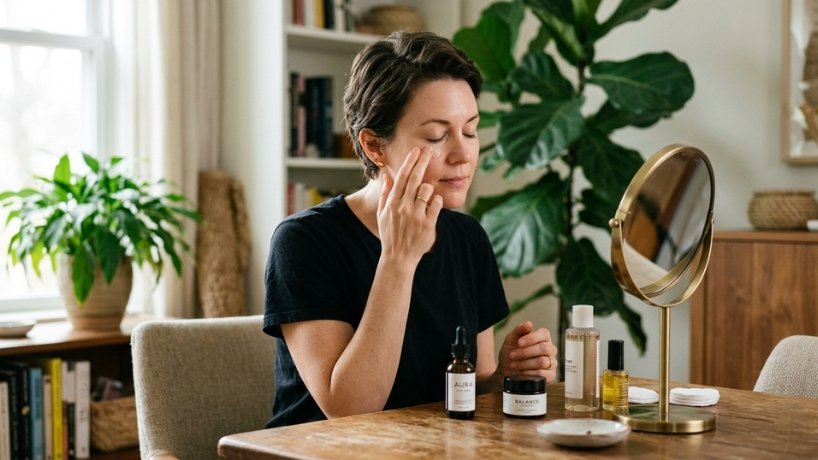
Before bed, cleanse your face to remove makeup, sunscreen, and daily debris. Follow with a suitable moisturizer to support hydration while you sleep.
Create a Sleep-Friendly Environment
Good sleep habits can improve both sleep quality and skin health. Consider:
- Keeping your bedroom cool and comfortable
- Limiting screen time before bed
- Maintaining a consistent sleep schedule
- Avoiding excessive caffeine late in the day
How Much Sleep Do You Need?
Most healthy adults should aim for approximately seven to nine hours of sleep each night. Individual needs may vary, but consistently meeting your sleep requirements can support overall health and skin appearance.
When to Seek Professional Advice
If you regularly experience poor sleep, chronic fatigue, persistent skin concerns, or difficulty maintaining healthy sleep habits, speaking with a healthcare professional may be beneficial.
A dermatologist can help address skin-related concerns, while a sleep specialist can evaluate underlying sleep issues that may be affecting your health.
Conclusion
Healthy skin starts with healthy habits, and sleep is one of the most important yet often overlooked parts of a skincare routine. While creams, serums, and treatments can help improve your complexion, quality rest allows your body to perform essential repair and recovery processes naturally.
Prioritizing sufficient sleep each night may help your skin look more refreshed, hydrated, and radiant while also supporting your overall physical and mental well-being. Simply put, beauty sleep is more than a saying—it’s an important part of long-term health and skin care.