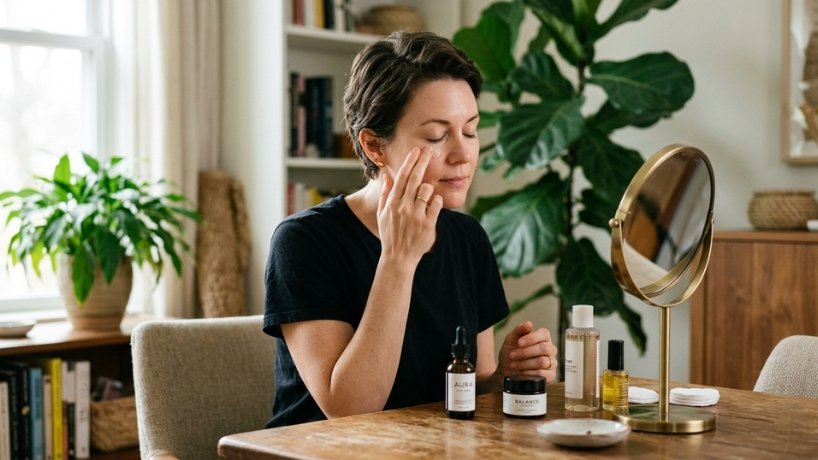
Introduction: Understanding Skincare Made Simple
Reading skincare labels can feel overwhelming. Long ingredient names, bold promises, and constant new trends make it hard to know what really matters.
Here’s the reality:
Good skincare isn’t about using everything—it’s about using the right things.
Once you understand key ingredients, skincare becomes easier, more affordable, and far more effective.
Why Skincare Feels So Complicated Today
The skincare market is flooded with products. Every day, new formulas promise better, faster, and “perfect” results.
At the same time, social media promotes multi-step routines that often aren’t necessary.
This leads to:
- Too many products in one routine
- Skin irritation and sensitivity
- Spending money without real results
The problem isn’t lack of options—it’s too much confusion.
Do More Products Really Improve Skin?
No.
Using too many products—especially active ingredients—can damage your skin instead of helping it.
Common issues include:
- Dryness
- Redness
- Breakouts
Your skin needs balance, not overload. A simple routine with targeted ingredients works best.
How to Choose the Right Skincare Products
Before buying any product, ask:
- What skin concern am I trying to fix?
- Does this ingredient actually help with that concern?
- Am I already using something similar?
- Will my skin tolerate it?
This approach prevents unnecessary experimentation and protects your skin barrier.
Ignore Marketing Hype—Focus on Ingredients
Labels like:
- “Natural”
- “Clean”
- “Gentle”
- “Dermatologist tested”
sound appealing but don’t guarantee effectiveness.
Your skin responds to ingredients—not marketing words.
Best Skincare Ingredients That Actually Work
These ingredients are proven, widely used, and effective when used correctly.
1. Retinol (Vitamin A)
Best for: Anti-aging, acne, texture
- Boosts skin renewal
- Reduces fine lines
2. Niacinamide
Best for: Oil control, redness
- Balances oil
- Improves skin tone
3. Vitamin C
Best for: Brightening, dark spots
- Enhances glow
- Protects skin from damage
4. Hyaluronic Acid
Best for: Hydration
- Attracts moisture
- Keeps skin soft and plump
5. Ceramides
Best for: Skin barrier repair
- Lock in moisture
- Protect skin from dryness
6. Peptides
Best for: Firmness
- Support skin structure
- Improve elasticity
7. Azelaic Acid
Best for: Acne, redness
- Calms irritation
- Evens skin tone
8. Zinc
Best for: Acne-prone skin
- Reduces inflammation
- Controls oil
9. Green Tea Extract
Best for: Sensitive skin
- Soothes irritation
- Provides antioxidant support
10. Kojic Acid & Tranexamic Acid
Best for: Pigmentation
- Reduce dark spots
- Improve uneven tone
Optional Add-On: Soothing Hydration
Mineral-based sprays can help refresh and calm the skin. They’re not essential but can support hydration and comfort.
Ingredients You Should Avoid or Limit
Some ingredients don’t add real value and may harm your skin:
- Artificial fragrances → irritation risk
- Synthetic colors → no skin benefit
- Heavy oils (for acne-prone skin) → clogged pores
- Trend ingredients without evidence → inconsistent results
A minimal routine is safer and more effective.
Can You Mix All Skincare Ingredients?
No.
Combining too many active ingredients can:
- Damage your skin barrier
- Cause irritation
- Reduce effectiveness
If your skin reacts, simplify your routine instead of adding more products.
Simple Skincare Routine (Best Practice)
Morning Routine
- Gentle cleanser
- Moisturizer
- Sunscreen (SPF 30+)
Night Routine
- Cleanser
- Treatment (retinol or serum)
- Moisturizer
This routine works for most skin types.
FAQs (SEO Optimized Section)
What are the best skincare ingredients for glowing skin?
Vitamin C, niacinamide, and hyaluronic acid help improve brightness and hydration.
Which ingredients help with anti-aging?
Retinol and peptides are commonly used to reduce fine lines and improve texture.
What ingredients should I avoid?
Avoid artificial fragrances, unnecessary dyes, and pore-clogging ingredients.
Is a simple skincare routine better?
Yes. A simple routine with effective ingredients delivers better long-term results.
Final Thoughts
Skincare doesn’t need to be complicated.
You don’t need every trending product or a long routine.
The real key is:
- Understand your skin
- Choose the right ingredients
- Stay consistent
When you focus on what truly works, your routine becomes easier—and your skin becomes healthier.