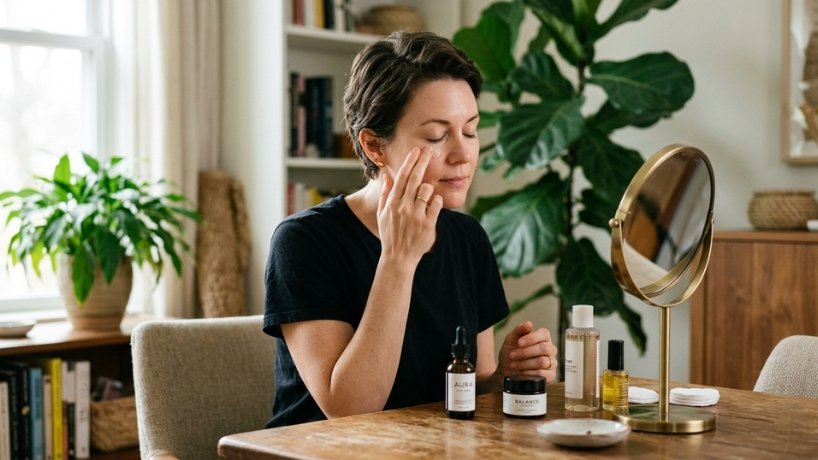
Dealing with irritated, red breakouts is a universal skincare frustration. Even with a dialed-in daily regimen, stubborn zits still manage to pop up. When they do, the primary objective is to minimize inflammation while treating the skin with extreme care.
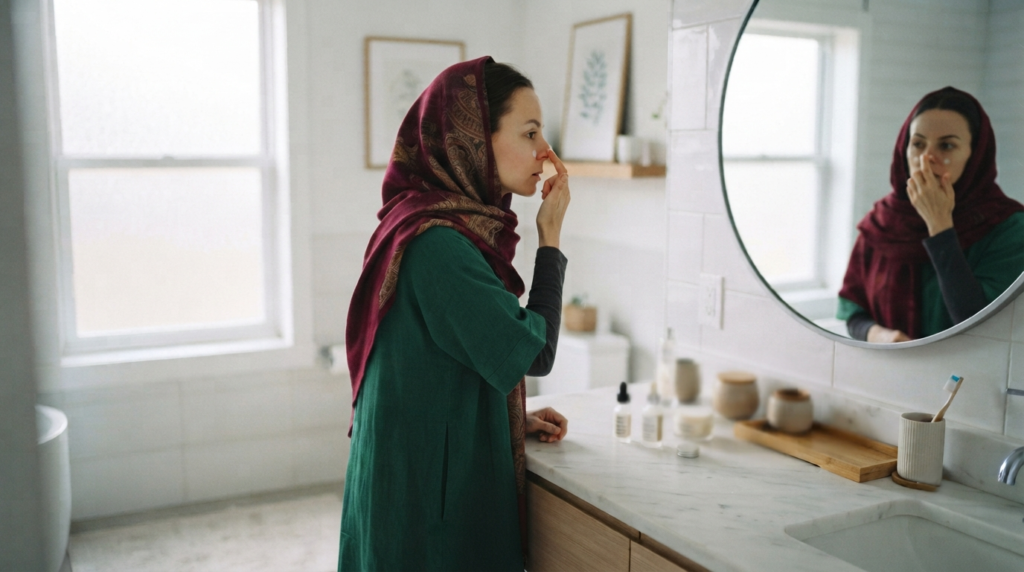
Rather than overloading your complexion with harsh scrubs—which can backfire by triggering excess oil production—a targeted, gentle approach works best to accelerate healing and tone down discoloration.
Proven Methods to Calm Active Breakouts
When managing angry, red blemishes, simplicity and anti-inflammatory ingredients are your best allies:
- Gentle Cleansing: Wash your face twice daily using a mild, fragrance-free, non-comedogenic cleanser that won’t strip your skin barrier or plug your pores.
- Incorporate Niacinamide: This water-soluble derivative of vitamin B3 is fantastic for dampening inflammation and fading post-breakout redness. It is widely available in lightweight serums and creams.
- Spot-Treat with Salicylic Acid: Applied in concentrations between 0.5% and 5%, salicylic acid acts as a gentle exfoliant while offering antimicrobial and anti-inflammatory perks.
- Utilize Pimple Patches: Hydrocolloid and medicated stickers help shield a blemish from bacteria while delivering targeted ingredients like salicylic acid or niacinamide directly to the spot.
- Ice the Area: Wrap an ice cube or cold pack in a clean cloth and press it gently against the swollen area for 10 minutes or less to constrict blood vessels and reduce swelling.
- Lock in Lightweight Hydration: Keep your skin balanced with a non-comedogenic, hypoallergenic gel or lotion moisturizer formulated with hydrating agents like hyaluronic acid.
When to Consult a Professional
If your breakouts are deep, painful, persistent, or closely mimic chronic conditions like rosacea (which can cause severe redness or deep discoloration), it is wise to consult a board-certified dermatologist. They can provide clinical-grade treatments such as prescription topicals, specialized chemical peels, or light therapy.
Note on Cortisone: A mild over-the-counter hydrocortisone cream can temporarily shrink swelling and redness when used sparingly as a strict spot treatment. However, frequent steroid use can thin the skin and ironically trigger more breakouts, so use it with caution.
How to Seamlessly Conceal Zits with Makeup
When a breakout needs immediate camouflage while it heals, smart makeup application can make all the difference:
- Sanitize Your Hands: Always wash your hands thoroughly before touching your face.
- Prep the Skin: Cleanse and apply a lightweight moisturizer.
- Opt for Light Base Coverage: Skip heavy, cakey foundations that draw attention to texture. Instead, choose a tinted moisturizer or a sheer liquid foundation.
- Choose the Right Concealer: Look for a thicker, putty-like concealer. If redness is severe, a green color-correcting concealer can neutralize the red tones before you layer your skin-matching shade on top.
- Apply and Blend: Use a small, clean makeup brush to dab concealer directly onto and slightly around the blemish, blending the edges seamlessly into your surrounding skin.
- Set It: Lightly dust loose or pressed powder over the area to lock the concealer in place. Build in thin layers if necessary rather than piling it on all at once.
- Clean Your Tools: Always wash your makeup brushes with gentle soap or rubbing alcohol after use to prevent transferring bacteria back to your skin. Make sure all makeup products are entirely oil-free and non-comedogenic.
Long-Term Prevention Strategies
Keeping future inflammation at bay requires a consistent daily preventative routine:
- Wash twice a day with a mild cleanser.
- Integrate proven acne-fighting agents such as benzoyl peroxide, azelaic acid, tea tree oil, or topical retinoids (like adapalene) to keep pores clear.
- Finish your morning routine with a lightweight hydrator and daily sunscreen.
- Hands Off: Never squeeze or pop your pimples, especially those with visible whiteheads. Squeezing only pushes bacteria deeper, worsening the inflammation and prolonging the redness.
The Takeaway
Blemish redness is simply a sign of underlying cellular irritation, often fueled by fluctuating hormones and excess oil. By maintaining a gentle, soothing skincare routine and relying on smart concealment tricks when needed, you can manage breakouts gracefully. If home remedies fail to clear things up within a few days, enlist the help of a dermatologist to get your skin back on track.