Introduction
Eating is more than just fueling the body—it is a complete experience that involves your senses, emotions, and physical processes. In fact, enjoying food for health is not a luxury, but a necessary part of maintaining overall well-being.
Modern diets often focus only on rules and restrictions, ignoring one important factor: satisfaction. But when food is enjoyable, your body responds better, digestion improves, and eating habits become more sustainable.
Why Enjoying Food for Health Matters
Pleasure plays a key role in how your body processes food. When you enjoy what you eat, your body enters a relaxed state that supports proper digestion and nutrient absorption.
On the other hand, eating with stress, guilt, or distraction can interfere with these natural processes. This is why enjoying food for health helps create balance—not just physically, but mentally as well.
How Enjoyment Affects Your Body
When food looks, smells, and tastes appealing, your body prepares itself for digestion.
- Digestive enzymes increase
- Nutrient absorption improves
- Your body recognizes fullness more easily
In contrast, rushed or distracted eating can lead to overeating and poor digestion. Enjoyment acts as a natural signal that your body has received enough nourishment.
The Emotional and Social Side of Eating
Food is not only physical—it also connects people and emotions.
1. Builds Stronger Connections
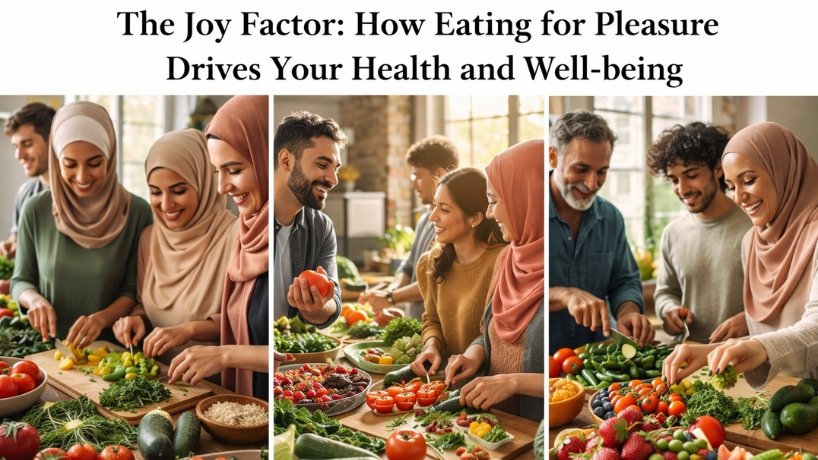
Sharing meals with others creates meaningful social experiences. Enjoying food together improves emotional well-being and strengthens relationships.
2. Provides Comfort and Stability
Familiar foods can offer a sense of comfort during stressful times. When practiced mindfully, this can support emotional balance.
3. Reduces Food Cravings
Strict food rules often increase cravings. When you allow yourself to enjoy food, those cravings naturally decrease, making eating habits more stable.
Enjoyment vs Emotional Eating
It’s important to understand the difference.
- Enjoyment eating → slow, mindful, satisfying
- Emotional eating → fast, automatic, unsatisfying
When you are truly enjoying food for health, you feel calm and satisfied afterward. Emotional eating often leads to discomfort or regret.
Simple Ways to Enjoy Food for Health
You don’t need complicated routines to improve your relationship with food.
Try these simple habits:
- Eat without distractions (no phone or TV)
- Choose foods you genuinely like
- Pay attention to taste, texture, and aroma
- Eat slowly and stop when satisfied
These small changes can completely transform your eating experience.
How Enjoyment Supports Healthy Eating Habits
Many people believe discipline alone leads to better health. But in reality, sustainability comes from balance.
When meals are enjoyable:
- You’re less likely to overeat
- You develop a healthier relationship with food
- You maintain long-term consistency
That’s why enjoying food for health is not optional—it’s essential.
Final Thoughts
Healthy eating is not about strict control or perfect meals. It’s about balance, awareness, and satisfaction.
When you enjoy your food, your body and mind work together more effectively. This creates a natural, sustainable way of eating that supports both physical health and emotional well-being.
True nutrition isn’t just about what you eat—it’s also about how you experience it.