For over twenty years, American consumers have relied on the same legacy lineup of active ingredients for sun protection, lagging behind international markets that have long enjoyed advanced formulations. That landscape is finally shifting. The U.S. Food and Drug Administration (FDA) has officially approved bemotrizinol (widely known by the trade name PARSOL Shield), marking a monumental shift as the first new over-the-counter active sunscreen ingredient cleared in the United States in over two decades.
Expected to hit domestic store shelves by late 2026, this milestone development closes a glaring protection gap and introduces American shoppers to a safer, more efficient standard of sun care.
Why the Approval of Bemotrizinol Matters
Until now, the sluggish U.S. regulatory framework for over-the-counter drugs kept many globally trusted UV filters out of local stores. Bemotrizinol changes the narrative. Successfully utilized across Europe and Asia for decades, its introduction aims to boost consumer confidence, drive market competition, and provide much-needed modernization to American sun care.
Dermatologists and health experts have widely praised the decision, noting that it brings the U.S. closer to international standards of preventing skin cancer, premature photoaging, and deep cellular skin damage.
What Makes Bemotrizinol Different?
Older chemical filters often protect against a narrow slice of the light spectrum or degrade rapidly under direct sunlight—requiring stabilization from other additives. Bemotrizinol stands out due to several key performance advantages:
- True Broad-Spectrum Defense: It delivers robust, simultaneous protection against both UVA rays (which penetrate deep to cause aging and pigmentation) and UVB rays (the primary culprits behind sunburns).
- Exceptional Photostability: Unlike traditional chemical filters that break down under light exposure, bemotrizinol maintains its structural integrity and protective power under intense sun.
- High Efficiency at Low Concentrations: It provides powerful defense even at minimal usage levels (up to 6%). This gives cosmetic chemists the flexibility to craft lightweight, breathable, and silky textures that lack the heavy white cast typically associated with mineral-only options.
- Minimal Skin Absorption: Clinical data indicates that the ingredient sits effectively on the surface, displaying minimal systemic absorption into the bloodstream, making it exceptionally well-suited for sensitive skin types.
Smart Practices for Daily Sun Protection
While the arrival of next-generation filters like PARSOL Shield will soon expand your cosmetic options, practicing sound application habits remains vital for ultimate safety:
- Check the Label: Always verify that your product offers broad-spectrum defense with an SPF rating of 30 or higher.
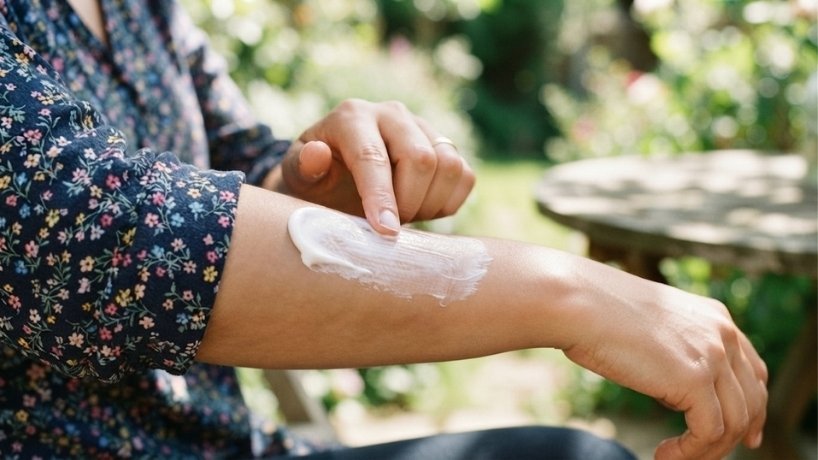
- Prioritize Coverage: Aim to use roughly a shot-glass full (about one ounce) to cover all exposed areas of an adult body adequately.
- Timing Matters: Apply your sunscreen roughly 15 minutes before heading outdoors to allow the barrier to bind properly.
- Don’t Forget Hidden Spots: Frequently missed zones—such as the ears, back of the neck, tops of the feet, and hands—require equal attention.
- Reapply Consistently: Refresh your protection at least every two hours, or immediately after heavy swimming or excessive sweating.