Key Takeaways
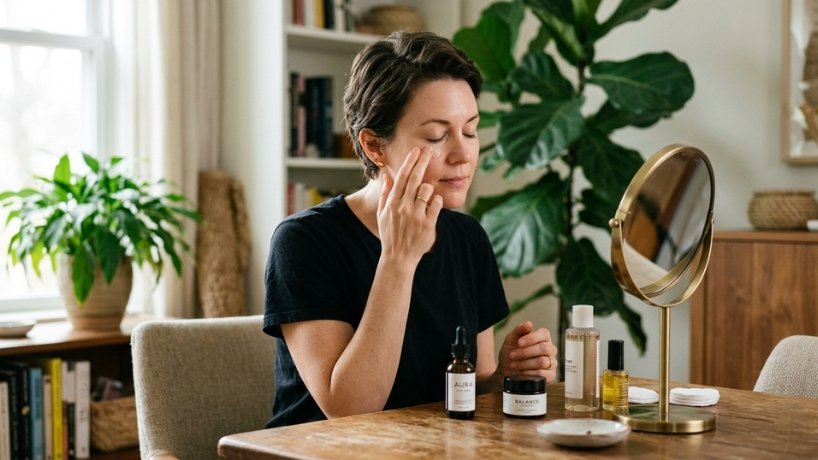
- Healthy skin does not require dozens of expensive products. A simple routine can be highly effective.
- A gentle cleanser, quality moisturizer, and daily sunscreen form the foundation of good skin care.
- Additional products like antioxidant serums and retinoids can provide extra benefits but are not essential for everyone.
- Using too many products may irritate the skin and weaken its natural protective barrier.
- People with conditions such as acne, eczema, or rosacea may benefit from customized skin care recommendations from a dermatologist.
Why a Simple Skin Care Routine Works
The skin is the body’s largest organ and serves as a protective barrier against environmental damage, bacteria, and moisture loss. While the beauty industry promotes complex routines with multiple products, many dermatologists agree that healthy skin can be maintained with only a few essential items.
A minimalist approach reduces the risk of irritation, saves money, and makes it easier to stay consistent with daily skin care habits.
Instead of filling your bathroom shelf with countless products, focus on the basics that support your skin’s natural function.
The Three Products Everyone Needs
1. Gentle Cleanser
Cleansing removes dirt, excess oil, sweat, sunscreen, and environmental pollutants that accumulate on the skin throughout the day.
The ideal cleanser should leave your skin feeling fresh without causing tightness or dryness.
Tips for Choosing a Cleanser
- Oily skin may benefit from a foaming cleanser.
- Dry skin often responds better to a hydrating cream cleanser.
- Sensitive skin typically does best with fragrance-free formulas.
- Avoid harsh scrubs and products containing excessive alcohol.
Wash your face with lukewarm water rather than hot water, as high temperatures can strip away natural oils.
2. Moisturizer
A moisturizer helps strengthen the skin barrier and prevents moisture loss. Regardless of skin type, hydration is essential for maintaining smooth, healthy-looking skin.
Many people mistakenly believe oily skin doesn’t need moisturizer, but skipping it can sometimes increase oil production.
Benefits of Moisturizing
- Supports the skin’s protective barrier
- Reduces dryness and flaking
- Improves skin texture
- Helps maintain a healthy appearance
- Provides comfort for sensitive skin
Choose a lightweight formula if your skin tends to be oily and a richer cream if your skin is dry.
3. Sunscreen
Daily sunscreen is arguably the most important skin care product available.
Exposure to ultraviolet (UV) rays contributes to premature aging, dark spots, wrinkles, and skin cancer. Even on cloudy days, UV radiation can affect the skin.
What to Look For
- Broad-spectrum protection
- SPF 30 or higher
- Water-resistant formulas if spending time outdoors
Apply sunscreen every morning after moisturizing and reapply throughout the day when exposed to sunlight.
Consistent sunscreen use is one of the most effective ways to protect skin health over the long term.
Optional Products That Can Enhance Your Routine
Once you have mastered the basics, you may choose to add one or two targeted treatments.
Antioxidant Serums
Antioxidants help defend the skin against environmental stressors and free radical damage.
Popular antioxidant ingredients include:
- Vitamin C
- Vitamin E
- Niacinamide
- Green tea extract
- Ferulic acid
- Resveratrol
Benefits may include:
- Brighter complexion
- More even skin tone
- Reduced appearance of redness
- Additional protection from environmental damage
Hydrating Serums
People with dry or dehydrated skin may benefit from a hydrating serum underneath their moisturizer.
Look for ingredients such as:
- Hyaluronic acid
- Glycerin
- Panthenol
- Aloe vera
These ingredients help attract and retain moisture within the skin.
Retinol and Retinoids
Retinol and prescription-strength retinoids are widely used for healthy aging and improving skin texture.
Potential benefits include:
- Smoother skin texture
- Reduced appearance of fine lines
- Improved skin tone
- Support for collagen production
Because retinoids can be irritating initially, introduce them gradually and use sunscreen daily.
Products You Can Often Skip
Not every trendy product is necessary.
Cleansing Brushes
Aggressive cleansing tools can irritate the skin and disrupt its protective barrier. In most cases, clean hands are sufficient for washing your face.
Single-Use Sheet Masks
Although sheet masks may provide temporary hydration, they are not essential for long-term skin health. A good serum or moisturizer often delivers similar benefits.
Facial Oils
Facial oils can be helpful for some individuals but are not necessary for everyone. In people with acne-prone skin, certain oils may contribute to clogged pores and breakouts.
Skin Care Tips for Common Skin Conditions
Acne-Prone Skin
If you experience frequent breakouts, ingredients that may help include:
- Salicylic acid
- Benzoyl peroxide
- Sulfur
- Niacinamide
Avoid heavy products that may clog pores.
Sensitive Skin, Rosacea, and Eczema
For easily irritated skin:
- Choose fragrance-free products.
- Avoid harsh exfoliants.
- Use gentle cleansers and moisturizers.
- Keep routines simple and consistent.
A minimal approach is often best for sensitive skin types.
Always Test New Products
Before applying a new product to your entire face, perform a patch test.
How to Patch Test
- Apply a small amount behind your ear or on your inner arm.
- Wait 24 to 48 hours.
- Check for redness, itching, burning, or irritation.
- If no reaction occurs, gradually introduce the product into your routine.
Patch testing can help prevent widespread irritation and allergic reactions.
The Bottom Line
Healthy skin does not require a complicated or expensive routine. For most people, a gentle cleanser, a moisturizer, and a broad-spectrum sunscreen are enough to support skin health and maintain a healthy complexion.
Additional products such as antioxidant serums, hydrating treatments, and retinoids can offer extra benefits, but they should complement—not replace—the basics.
Consistency matters far more than the number of products you use. A simple routine that you follow every day will often deliver better results than an elaborate routine that is difficult to maintain.