
Many people believe losing weight depends only on eating fewer calories. While calorie balance matters, the quality of your diet can make the process much easier. One nutrient that deserves more attention is soluble fiber. It doesn’t magically burn fat, but it can influence hunger, digestion, and gut health in ways that support healthy weight management.
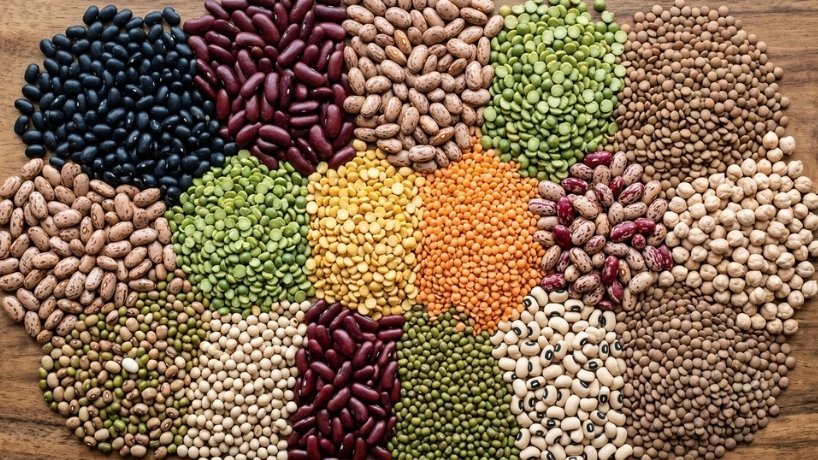
Choosing foods rich in soluble fiber is a sustainable approach that benefits your entire body, not just the number on the scale.
What Makes Soluble Fiber Different?
Dietary fiber is the part of plant foods that your digestive system cannot completely digest. Instead of being absorbed like sugar or starch, it moves through your digestive tract while performing valuable functions.
There are two primary forms of fiber:
Insoluble fiber helps food move through the intestines and promotes regular bowel movements.
Soluble fiber mixes with water, creating a thick, gel-like consistency that changes how your digestive system processes food.
This unique ability gives soluble fiber several health advantages.
How Fiber Supports Your Digestive System
Your intestines contain trillions of beneficial microorganisms that form the gut microbiome. These tiny organisms influence digestion, immunity, nutrient absorption, and metabolism.
Soluble fiber serves as food for many of these beneficial bacteria.
When the bacteria break down fiber, they produce natural compounds that help maintain a healthy digestive tract and strengthen the intestinal environment.
A healthy gut is associated with better digestive function and improved overall wellness.
Why Fiber Helps You Feel Satisfied
One of the biggest challenges during weight loss is dealing with constant hunger.
Foods rich in soluble fiber absorb liquid and expand after reaching the stomach. This process slows the movement of food through the digestive tract.
As a result:
- Meals remain satisfying for longer.
- Hunger develops more gradually.
- Snacking between meals may decrease.
- Portion sizes often become easier to control.
Instead of relying only on willpower, your body’s natural fullness signals become more effective.
Fiber Supports Healthy Eating Habits
Fiber does not directly melt body fat. Instead, it creates conditions that make healthy eating easier.
People who regularly consume high-fiber foods often find it simpler to:
- Eat balanced meals.
- Reduce overeating.
- Maintain steady energy throughout the day.
- Avoid frequent cravings.
Over time, these habits can contribute to gradual and sustainable weight management.
Everyday Foods That Naturally Contain Soluble Fiber
Many affordable foods provide generous amounts of soluble fiber.
Good choices include:
- Oats
- Barley
- Lentils
- Chickpeas
- Kidney beans
- Black beans
- Apples
- Pears
- Oranges
- Carrots
- Sweet potatoes
- Brussels sprouts
- Chia seeds
- Ground flaxseed
Eating a variety of plant foods also supplies vitamins, minerals, and protective antioxidants.
Increase Fiber Slowly
If your current diet contains little fiber, avoid making major changes overnight.
A gradual increase allows your digestive system to adjust comfortably.
Helpful tips include:
- Introduce one new high-fiber food every few days.
- Drink enough water throughout the day.
- Include fiber at each meal instead of eating large amounts at once.
- Choose whole foods whenever possible.
Most temporary digestive discomfort improves as your body adapts.
Whole Foods Provide More Than Fiber Alone
Although fiber supplements are available, they should not replace nutritious foods.
Whole plant foods provide a combination of nutrients, including:
- Dietary fiber
- Vitamins
- Minerals
- Antioxidants
- Natural plant compounds
These nutrients work together to support overall health and cannot be fully replicated by supplements.
Whenever possible, build your meals around real foods.
Health Benefits Beyond Weight Control
Adding more fiber to your diet offers advantages that extend far beyond appetite management.
Regular fiber intake may help support:
- Healthy digestion
- Comfortable bowel movements
- Heart health
- Healthy cholesterol levels
- Balanced blood sugar
- Beneficial gut bacteria
- Long-lasting fullness after meals
These benefits make fiber an essential nutrient for people of all ages.
Easy Ways to Eat More Fiber
Improving your fiber intake can be simple.
Try these practical ideas:
- Start your morning with oatmeal.
- Replace white bread with whole-grain bread.
- Add beans to soups, salads, and rice dishes.
- Snack on fresh fruit instead of processed snacks.
- Include vegetables with lunch and dinner.
- Sprinkle chia or flaxseed over yogurt or smoothies.
Small daily improvements often lead to meaningful long-term results.
Pair Fiber With Healthy Lifestyle Habits
Fiber delivers the greatest benefits when combined with healthy daily routines.
Aim to:
- Stay physically active.
- Drink plenty of water.
- Sleep well each night.
- Limit highly processed foods.
- Eat balanced meals on a regular schedule.
Together, these habits create a strong foundation for lasting health.
Final Thoughts
Soluble fiber is one of the most valuable nutrients for supporting healthy weight management because it works with your body’s natural digestive processes rather than against them. By slowing digestion, nourishing beneficial gut bacteria, and increasing feelings of fullness, it helps make healthy eating feel more satisfying and sustainable.
Instead of looking for quick fixes, focus on filling your plate with fruits, vegetables, legumes, whole grains, nuts, and seeds. Consistently choosing these foods can improve digestion, support overall wellness, and make maintaining a healthy weight easier over the long term.


