Acne is one of the most common skin conditions worldwide, affecting teenagers and adults alike. Although all acne may look similar at first glance, every type develops differently and responds best to specific treatments. Knowing what kind of blemishes you have can help you choose products that actually work instead of wasting time and money on ineffective solutions.
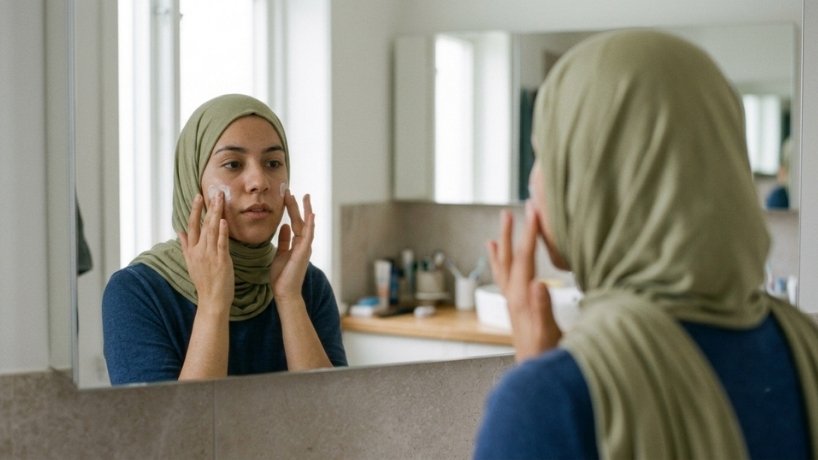
Whether you’re dealing with occasional blackheads or painful cystic acne, building the right treatment plan starts with proper identification.
The Main Categories of Acne
Dermatologists generally divide acne into two primary groups.
Non-Inflammatory Acne
This form develops when pores become blocked with excess oil and dead skin cells but without significant inflammation.
Examples include:
- Whiteheads
- Blackheads
These blemishes are usually less painful and often respond well to topical skincare products.
Inflammatory Acne
Inflammatory acne develops when clogged pores become irritated by bacteria and the body’s immune response. The affected area becomes red, swollen, and sometimes painful.
Common forms include:
- Papules
- Pustules
- Nodules
- Cysts
These breakouts usually require stronger treatment and sometimes professional medical care.
Whiteheads
What Are Whiteheads?
Whiteheads are tiny bumps that form when oil, dead skin, and debris become trapped inside a closed pore. Because the opening remains sealed, the material inside stays white or flesh-colored instead of turning dark.
Best Treatment Options
Most whiteheads improve with a consistent skincare routine.
Helpful ingredients include:
- Salicylic acid
- Adapalene
- Retinol
- Niacinamide
Wash your face twice daily using a gentle cleanser designed for acne-prone skin.
Avoid squeezing whiteheads since doing so may damage surrounding skin and increase the risk of future scarring.
Blackheads
What Causes Blackheads?
Blackheads form when a clogged pore remains open. Exposure to oxygen causes the trapped material to darken, giving blackheads their characteristic appearance.
The dark color isn’t dirt—it’s simply oxidation.
Effective Treatment
Blackheads respond well to ingredients that help remove dead skin and prevent clogged pores.
Recommended options include:
- Salicylic acid cleansers
- Retinoid creams
- Clay masks
- Chemical exfoliants
Professional extraction performed by an experienced dermatologist or licensed skincare professional can also remove stubborn blackheads safely.
Papules
What Are Papules?
Papules are small, red, inflamed bumps that develop when blocked pores become irritated. Unlike pustules, they don’t contain visible pus.
These breakouts may feel sore when touched.
How to Improve Them
Reducing inflammation is the primary goal.
A dermatologist may recommend:
- Benzoyl peroxide
- Salicylic acid
- Topical retinoids
- Prescription acne medication for persistent cases
Using harsh scrubs often makes papules worse rather than better.
Pustules
What Makes Pustules Different?
Pustules resemble papules but contain a white or yellow center filled with inflammatory fluid.
Many people mistakenly call these “regular pimples.”
Treatment Tips
A simple routine can help control pustules:
- Cleanse gently every morning and evening.
- Apply acne treatment consistently.
- Avoid touching active breakouts.
- Use non-comedogenic moisturizers.
Improvement usually takes several weeks, so patience is important.
Nodular Acne
What Is Nodular Acne?
Nodules develop deep beneath the skin where inflammation becomes much more severe.
These bumps are:
- Large
- Firm
- Painful
- Long-lasting
Unlike surface pimples, nodules rarely come to a head.
Treatment
Because nodules extend deep into the skin, over-the-counter products often provide limited improvement.
A dermatologist may prescribe treatments such as:
- Oral medications
- Prescription-strength topical products
- Other advanced acne therapies
Attempting to squeeze a nodule greatly increases the chance of permanent scarring.
Cystic Acne
Understanding Cystic Acne
Cystic acne is among the most severe forms of acne. It develops when infection and inflammation spread deep below the skin, creating large, tender lumps filled with fluid.
Without proper treatment, cystic acne may leave long-lasting scars.
Recommended Care
Professional medical treatment offers the best chance of controlling cystic acne.
Depending on severity, treatment may include:
- Prescription medications
- Hormonal therapy for suitable patients
- Oral antibiotics
- Other dermatologist-directed therapies
Early treatment often produces better long-term skin outcomes.
Daily Habits That Support Clearer Skin
Good skincare habits can reduce future breakouts regardless of acne type.
Helpful habits include:
- Washing your face after sweating
- Using sunscreen every day
- Keeping makeup brushes clean
- Removing makeup before bed
- Choosing oil-free skincare products
- Changing pillowcases regularly
- Avoiding excessive touching of your face
Consistency matters far more than using dozens of different products.
Common Mistakes That Can Make Acne Worse
Many everyday habits unintentionally increase breakouts.
Avoid:
- Picking pimples
- Overwashing your face
- Using rough facial scrubs
- Applying heavy pore-clogging cosmetics
- Switching skincare products too frequently
- Skipping moisturizer completely
Healthy skin requires balance, not aggressive treatment.
When Professional Help Is Needed
Schedule an appointment with a dermatologist if:
- Acne leaves scars.
- Painful lumps develop under the skin.
- Breakouts continue despite regular skincare.
- Acne affects your confidence or emotional well-being.
- Over-the-counter products show little improvement after several months.
Early medical treatment can often prevent permanent skin damage.
Final Thoughts
Every type of acne has its own causes and treatment approach. Whiteheads and blackheads often improve with proper cleansing and pore-clearing ingredients, while inflammatory acne such as papules, pustules, nodules, and cysts may require stronger prescription treatments.
The most successful acne routine combines gentle skincare, consistent daily habits, and appropriate treatment based on your specific acne type. If your breakouts become severe or begin to scar, consulting a dermatologist is the best way to protect your skin and achieve lasting improvement.