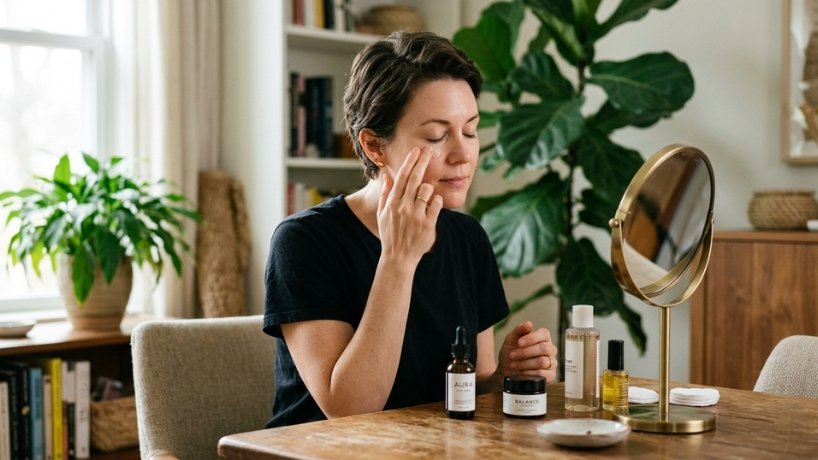
Breakouts don’t always end after adolescence. Many adults continue to deal with acne—often driven by hormones—well into their 20s, 30s, or later. If you’re noticing recurring pimples, oiliness, or stubborn clogged pores, it’s a common experience, not a personal failure.
What Is Hormonal Acne?
Hormonal acne is influenced by internal shifts that affect oil production and how your pores function.
Typical signs include:
- Deep, tender spots rather than small surface pimples
- Repeated flare-ups in the same areas
- Slower healing and lingering marks
Where it often appears:
- Along the jawline and chin
- Lower cheeks
- Around the mouth
Why It Happens
Hormones can increase oil output in the skin. When excess oil mixes with dead skin cells, pores become blocked—creating the perfect environment for breakouts.
But hormones are only part of the picture.
Common contributors:
- Ongoing stress
- Irregular or insufficient sleep
- Diets high in refined sugars or ultra-processed foods
- Heavy or pore-clogging cosmetics
- Overusing or mixing too many active products
Your skin reflects both what’s happening inside your body and how you care for it externally.
Why It Continues Into Adulthood
There’s no fixed age when acne must stop. Some people clear up early, while others continue to have breakouts for years.
Factors that influence this include:
- Personal hormone sensitivity
- Naturally oil-prone skin
- Lifestyle and environmental triggers
For many, breakouts may follow a pattern linked to monthly hormonal changes.
Will It Eventually Disappear?
Not always. Hormonal acne doesn’t follow a predictable timeline. It may improve, stay consistent, or come and go.
The goal is not to wait for it to end—but to manage it effectively.
How to Manage Hormonal Acne
1. Simplify Your Routine
Using too many products can irritate your skin and worsen breakouts.
Stick to essentials:
- Gentle cleanser
- Lightweight, non-pore-clogging moisturizer
- Daily sunscreen
A simple routine used consistently is more effective than a complex one used inconsistently.
2. Introduce Targeted Treatments Carefully
Avoid trying everything at once. Choose one approach and give it time.
Helpful options include:
- Ingredients that clear clogged pores
- Formulas that reduce acne-causing bacteria
- Products that support healthy skin turnover
- Soothing agents that reduce redness
Start slowly and observe how your skin reacts.
3. Improve Daily Habits
Small lifestyle changes can support your skin:
- Reduce excess sugar and processed foods
- Get consistent, quality sleep
- Manage stress levels
- Avoid touching or picking your face
Consistency in daily habits can improve long-term results.
4. Seek Professional Guidance
If your acne is persistent or severe, professional advice can help.
A specialist can recommend:
- Prescription treatments
- Personalized skincare plans
- Options tailored to your skin type
5. Consider Hormonal Support (If Needed)
In some cases, treatments that address internal hormone balance may help. This should always be discussed with a qualified professional.
Can Lifestyle Alone Be Enough?
For mild cases, improvements may come from:
- Balanced nutrition
- Consistent skincare
- Stress management
However, more stubborn acne often needs targeted or medical support.
The Emotional Side of Adult Acne
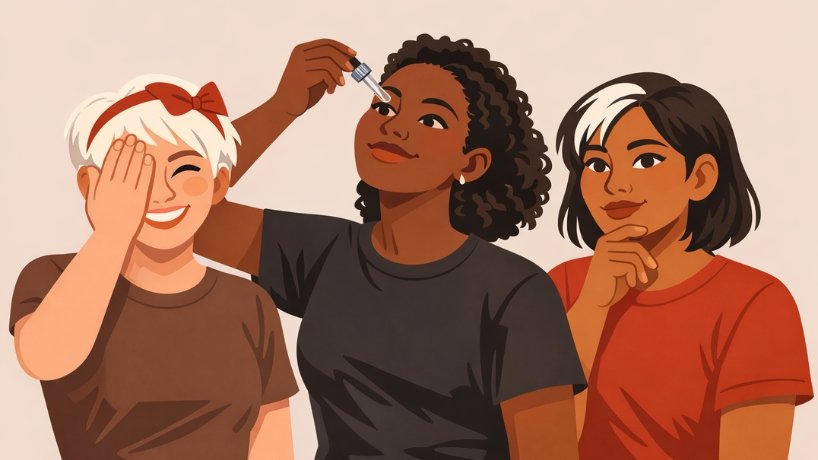
Dealing with acne as an adult can affect confidence—especially in a world filled with filtered, edited images.
Remember:
- Real skin has texture and imperfections
- Social media often shows unrealistic results
- You are not alone in this experience
Balancing Treatment and Self-Acceptance
You can work toward clearer skin while still respecting yourself.
- Focus on progress, not perfection
- Surround yourself with realistic influences
- Avoid harsh self-judgment
Confidence isn’t built on flawless skin—it’s built on perspective.
Final Thoughts
Hormonal acne can appear at any age and doesn’t follow strict rules.
Understanding your triggers, simplifying your routine, and staying consistent can help you regain control.
With patience and the right approach, you can manage breakouts effectively—without chasing unrealistic standards.